

How Much Does a Grief Counselor Make? Salary, Job Outlook & Pay Factors (2026)
Find out how much a grief counselor makes in 2026, including median pay, typical ranges, hourly estimates, job growth projections, and how factors like location, education, licensure, and work setting affect earnings.
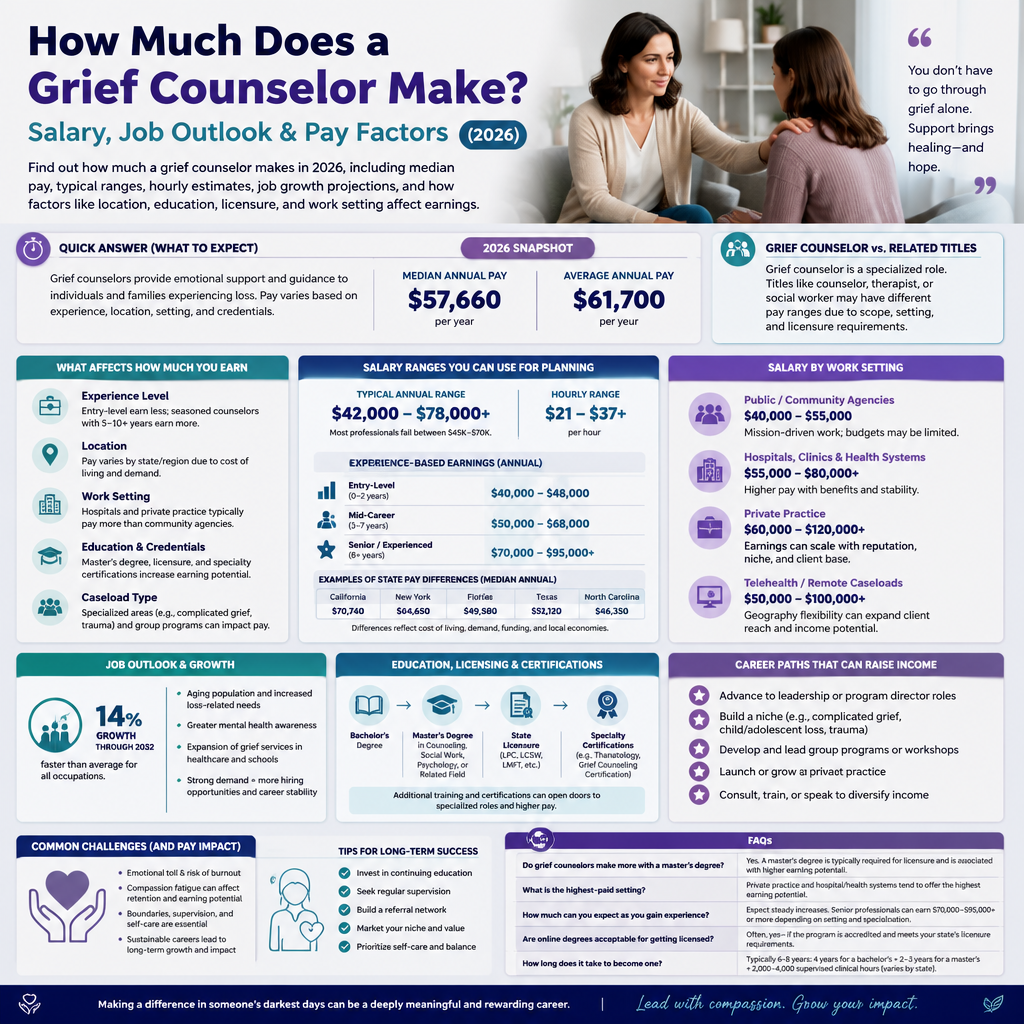
Quick Answer: How Much Does a Grief Counselor Make?
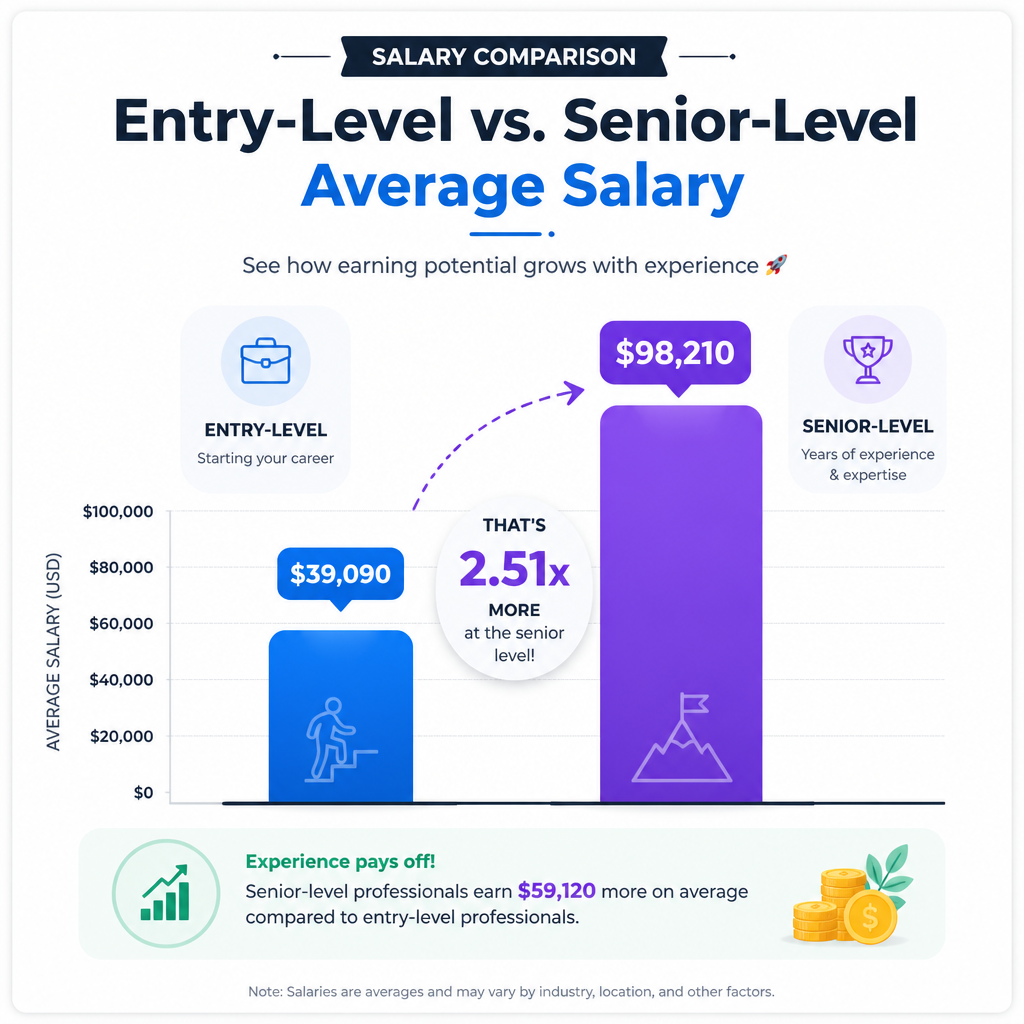
In 2026, grief counselors are typically paid in the mid-$50,000s to high-$50,000s annually, with reported figures clustering around a median near $59,190 in salary roundups. Depending on your state, experience, and work setting, earnings may look closer to roughly $39,090 at entry level and up toward $98,210 for more senior roles.
Short takeaway: If you want the most realistic planning range, budget based on both where you’ll work and how far along you are in licensure and experience.
Before We Answer “How Much Does a Grief Counselor Make?”
The exact pay number depends on how an organization titles the role. “Grief counselor” can overlap with jobs like:
- Counselor (general counseling roles)
- Therapist (clinical therapy roles, often requiring licensure)
- Bereavement counselor (common in hospitals, hospices, and community agencies)
- Clinical counselor or mental health counselor (broader category; grief may be a specialization)
Because these titles map to different requirements and employer pay scales, salary reporting can vary—sometimes using national averages, sometimes combining adjacent job categories.
Two common reporting styles you’ll see
- Median/average annual salary (best for overall planning)
- Hourly wage estimates (helpful if you’re comparing part-time or contractor schedules)
What “How Much Does a Grief Counselor Make” Really Depends On
Think of grief counseling pay as a combination of credentials, market demand, and role structure. These are the biggest levers:
1) Experience level (entry vs. senior)
Entry-level counselors often start in supervised roles while building hours and meeting state licensing requirements. Over time, increased autonomy, reputation, and leadership responsibilities can raise pay.
2) Location (state and regional differences)
Salary varies widely due to cost of living, local demand, and how competitive the hiring market is.
For example, one salary roundup cited top-paying states such as:
- Alaska: about $88,870
- New Jersey: about $75,900
- Hawaii: about $75,610
- California also reported a large job presence, with mean salary reported around $72,530
3) Work setting (the employer often determines the pay ceiling)
Where you work can significantly shift compensation:
- Private practice: potential for scaling income, but you carry expenses and business risk
- Hospitals/health systems: stable employment and benefits, pay often tied to salary bands
- Community agencies: mission-driven roles can offer steadier hours, sometimes with narrower pay bands
- Hospice and bereavement programs: grief specialization can be a strong fit, with pay tied to clinical staff grades
4) Education and credentials
Most grief counseling roles require advanced education. Salary reports commonly emphasize a path like:
- Bachelor’s degree in psychology or a related field (often a starting point)
- Master’s degree (frequently required for licensure)
- State licensure (varies by state)
- Specialized training/certifications (help with credibility and advancement)
Some career guides also mention specialized grief-related credentials (e.g., thanatology-focused training). While not always required for employment, these can support differentiation and client trust.
5) Caseload type (individual vs. group, complexity, and specialization)
Pay may reflect the complexity of the clinical work. For example:
- Group grief sessions can support higher reach per clinician hour
- Complicated grief and cases involving significant trauma-related factors may require additional expertise
- Program leadership (running bereavement services) can move you toward higher-paying positions
Salary Ranges You Can Use for Planning
When you’re asking “how much does a grief counselor make,” you usually want a range, not a single number. Here are the planning-style figures that show up across career salary guides:
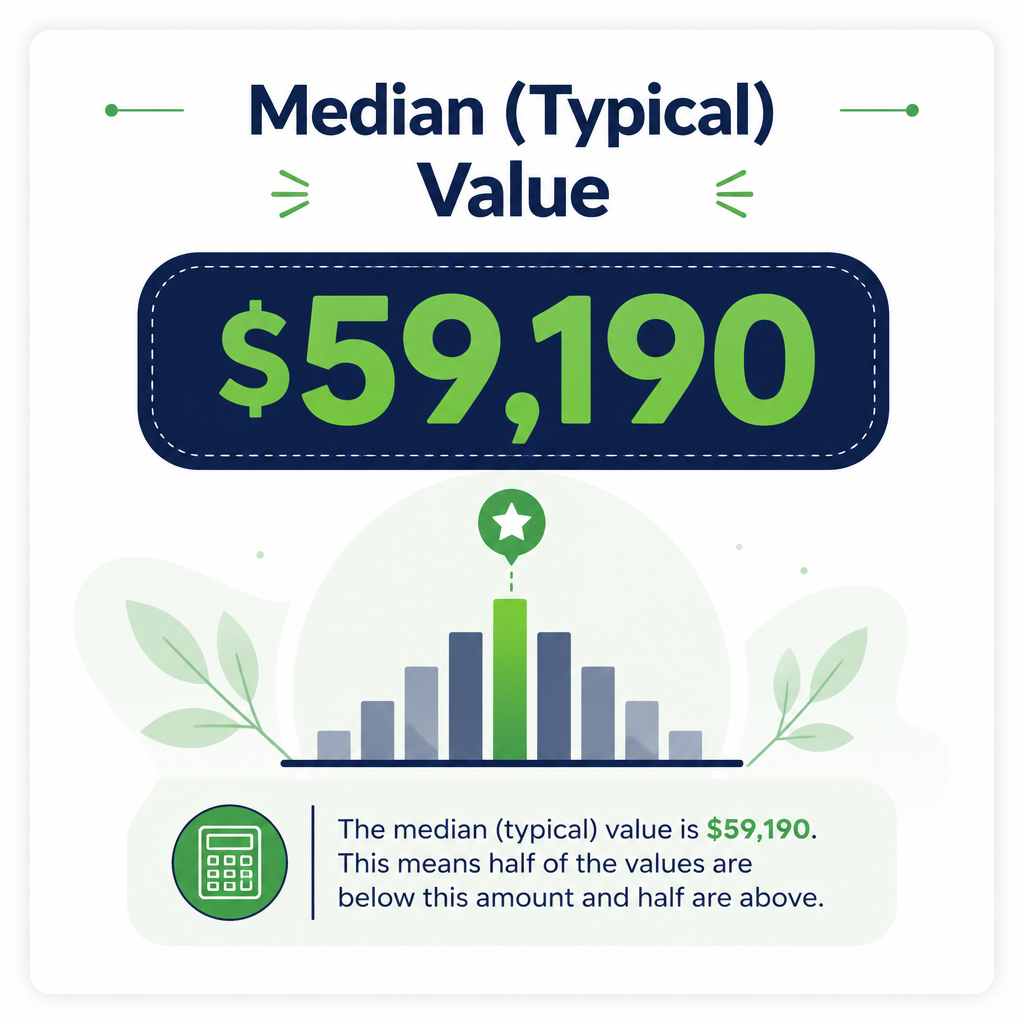
Median and typical annual pay
- Median annual pay: around $59,190 (reported in one career guide)
- Entry-level range: roughly $39,090
- Senior/senior-level range: up to about $98,210
Average and alternate reported figures
Other published career resources report different “average” values depending on how they categorize roles. For instance, a guide from Research.com referenced average and entry/senior figures (e.g., average around the $53,119 range, with lower entry and mid-to-upper senior estimates). Another guide also cited an average annual salary around $47,950.
Why the differences? Salary sources may group grief counselors with related counseling categories, or they may rely on different datasets and time windows.
Hourly vs. annual pay (how to compare)
If you see an hourly figure, you can convert it into an annual estimate using a standard assumption (for example, 2,080 hours per year for full-time employment). One guide cited an hourly wage around $23 (as a reference point). Your real annual income can differ based on benefits, schedule, and part-time vs. full-time hours.
Salary by Work Setting (Public Agencies, Clinics, Private Practice)
Employers influence both your base pay and your long-term ceiling.
Public/community agencies
These roles often prioritize stable schedules, structured supervision, and defined salary bands. Pay may be more predictable, but increases can be slower unless you move into supervisory or program leadership.
Hospitals, clinics, and mental health centers
Hospital-linked positions can offer benefits and a consistent caseload. Pay tends to be aligned with clinical staffing grades, and specialization (like grief/bereavement work) can improve your fit for certain internal roles.
Private practice
Private practice can be the highest earning path over time—but it comes with business constraints:
- Revenue depends on your caseload and referral network
- Expenses include licensing, supervision (if needed), insurance, marketing, and overhead
- Time is split between clinical work and administrative tasks
If you build a niche (for example, complicated grief or bereavement program support), you may also be able to command stronger rates or more stable referrals.
Telehealth and remote caseloads
Telehealth expands access and can increase your potential client base, especially in states where licensure or telehealth rules allow broader practice. However, your income still depends on your pay structure (salaried telehealth roles vs. independent private-pay/contract work).
Job Outlook and Growth: Is the Field Expanding?
Yes. Career resources frequently cite growth driven by increased mental health awareness and an aging population—both factors that can increase the need for grief-related support.
Employment growth projections
One salary outlook guide referenced 14% projected growth by 2032. Another guide cited 18% employment growth by 2032. Across sources, the message is consistent: the role is expanding, which generally improves:
- Hiring stability
- Opportunities to specialize
- Potential for career transitions (e.g., moving into program leadership)

Education, Licensing, and Certifications That Affect Earnings
Most grief counseling positions require graduate-level education and state licensure. These requirements are important not only for eligibility—they also influence your long-term compensation ceiling.
Typical education pathway
- Bachelor’s degree (often in psychology or a related field)
- Master’s degree (commonly required)
- Supervised clinical experience and internships
- Licensure (state-specific)
Licensure: why it matters
Pay can be tied to your ability to provide independent clinical services and to your role within the organization (supervised clinician vs. fully licensed provider). If you’re pursuing grief counseling as a long-term career, licensure timeline is often one of the biggest determinants of how quickly income can rise.
Certifications/specialty training
Specialized training—such as grief-related education and thanatology-focused credentials—may help you differentiate. While not always mandatory, it can support advancement by making you a stronger match for certain roles (bereavement coordinator, complicated grief specialist, or program developer).
Career Paths That Can Raise Income
If you want higher earnings, consider how to move up the “scope of responsibility” ladder.
1) Move from staff clinician to leadership
Leadership roles can raise pay because you handle broader responsibilities such as supervision, program planning, and performance metrics.
2) Build a niche
Examples of differentiating niches include:
- Complicated grief or prolonged grief education
- Bereavement program leadership
- Group program facilitation
- Trauma-adjacent cases (when within your competence and supervision)
3) Transition into private practice (carefully)
Private practice income can increase substantially, but you should plan for ramp-up time, marketing, and overhead. Many counselors find that building a reputation and stable referral sources first reduces financial risk.
Common Challenges (and How They Impact Long-Term Pay)
Grief counseling is rewarding, but it can also be emotionally demanding. While this may not directly show up in salary tables, it affects sustainability—one of the biggest factors in whether your career progresses.
Emotional toll and burnout risk
Regular exposure to loss can contribute to burnout. If burnout reduces your capacity or increases turnover, your income growth can stall.
Boundaries and supervision
Strong supervision and clear boundaries help you stay effective and ethical. Over time, counselors with strong professional support often progress more reliably into advanced roles.
Self-care as a career strategy
Practicing self-care and seeking professional support (when needed) helps you stay in the field long enough to reach higher pay levels and more senior responsibilities.
FAQs: How Much Does a Grief Counselor Make?
Do grief counselors make more with a master’s degree?
In most cases, yes. A master’s degree is often required for licensure, and licensure is commonly tied to higher-responsibility roles and higher pay. Even when salaries vary by employer, advanced credentials typically improve eligibility for positions with better compensation.
What is the highest-paid setting?
There isn’t one universal answer, but private practice can offer the highest earning potential over time (because income scales with caseload and rates). That said, health systems and specialized clinical roles can still pay strongly—especially in high-demand states.
How much can you expect as you gain experience?
Salary guides commonly show growth from entry-level ranges (often around the high-$30,000s to low-$40,000s) toward median figures near ~$59,000 and higher senior-level ranges. Your speed of advancement depends on licensure timing, role availability, and whether you move into leadership or specialization.
Are online degrees acceptable for getting licensed?
Often, yes—as long as the degree program is accredited and meets your state’s licensure requirements. Requirements vary, so check your state licensing board before enrolling.
How long does it take to become a grief counselor?
A common pathway is bachelor’s degree (often ~4 years) plus a master’s degree (often ~2 years), followed by supervised experience and licensure steps that can vary by state. The total timeline can range significantly based on program length and supervised hour requirements.
Key Takeaways
- How much does a grief counselor make? Reported median pay is often around $59,190 annually, with ranges that can run from about $39,090 (entry) to near $98,210 (senior).
- Location and employer type strongly influence your pay.
- Master’s degree + licensure typically affects eligibility for higher-paying roles.
- Job growth is projected to be solid (various sources cite ~14% to ~18% growth by 2032).
- Long-term income often improves when you specialize, lead programs, or transition into private practice.