
Quick-start roadmap: grief counselor vs grief coach (what you can do immediately)
If you want to become a grief counselor or become a grief coach, the fastest way to move forward is to clarify your scope and your “starting offer.” In grief support, the difference is not only titles—it’s what you’re trained to do, what you’re allowed to do, and how you protect clients.
What you can do right away (this week)
- Decide your lane: counseling (clinical, licensed/degree-based) or coaching (non-clinical support, tools, and goal-setting).
- Learn ethics & boundaries (consent, confidentiality basics, and when to refer).
- Choose a niche (e.g., after miscarriage, divorce/breakup grief, grief after caregiving, workplace grief support, college grief transitions).
- Draft a simple intake script and a referral policy (who you refer to, under what conditions).
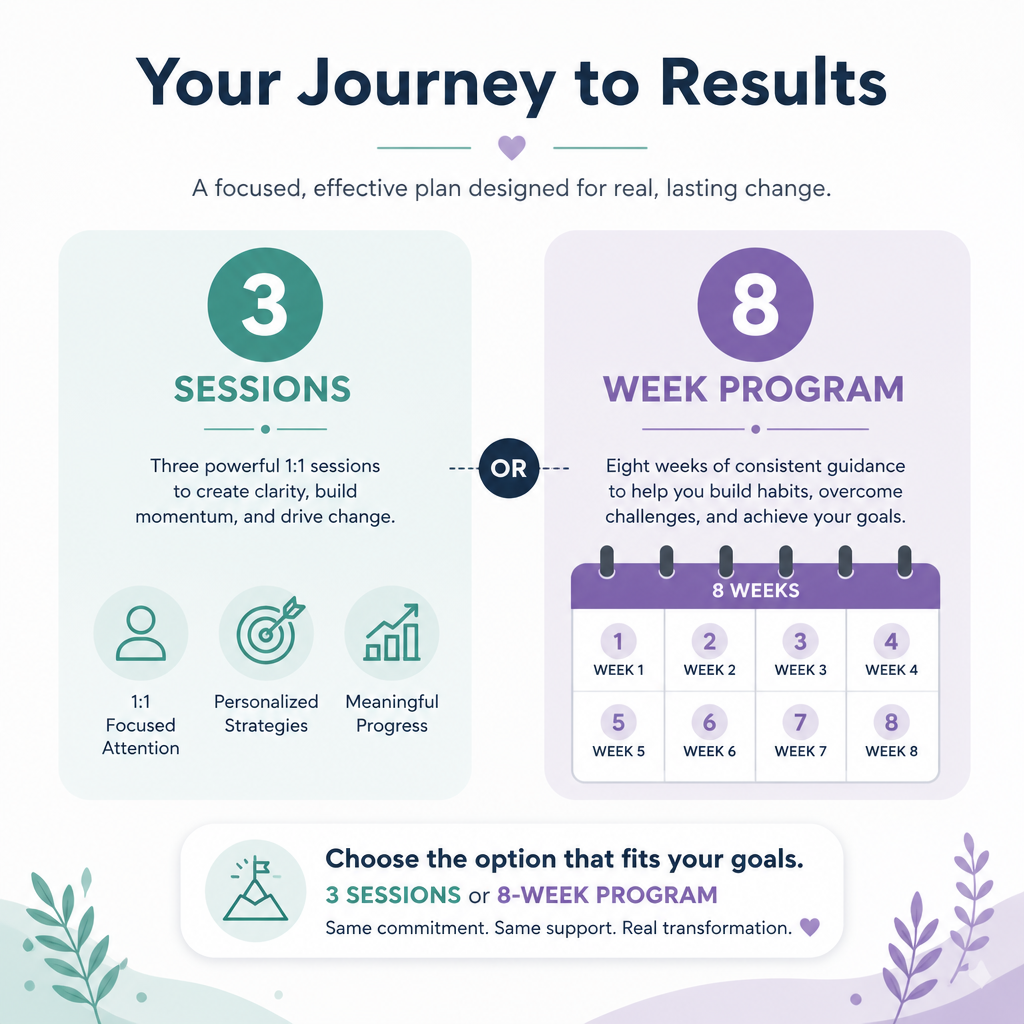
- Build a starter package (e.g., 3 sessions or a 6–8 week plan) to test demand.
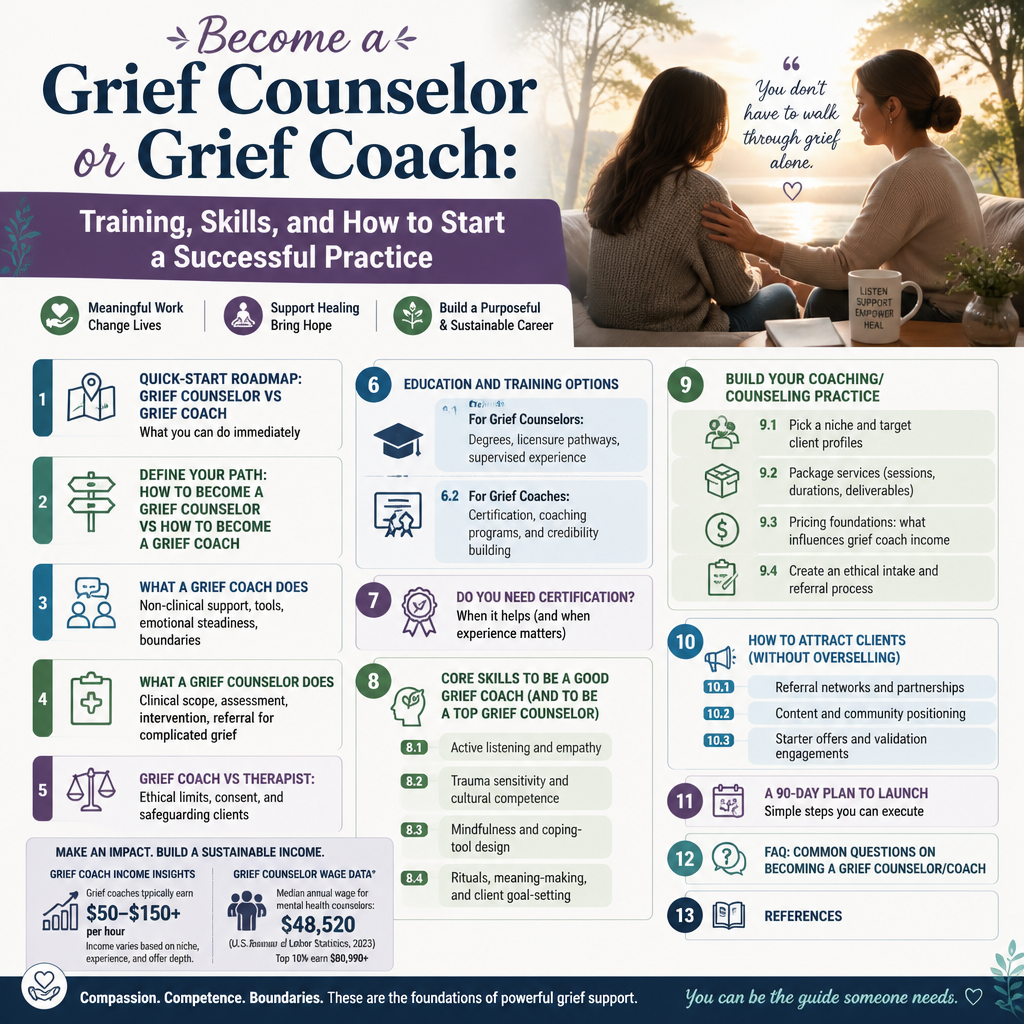
Define your path: how to become a grief conselor vs how to become a grief coach
The phrase “how to become a grief conselor” is often used interchangeably with “grief coach,” but the right path depends on your education, your licensing goals, and the type of support clients need.
Grief coach (non-clinical) — “support + tools + steadiness”
A grief coach helps clients navigate loss using coaching methods: emotional regulation, meaning-making, coping strategies, and structured goal setting. You typically do not diagnose or provide clinical treatment.
Grief counselor (clinical) — “assessment + intervention + referral”
A grief counselor works within a clinical framework. That often means formal degrees, supervised practice, and licensure, especially if you’ll assess symptoms, treat complicated grief, or address comorbid mental health concerns.
What a grief coach does
If you’re aiming to how to become a grief coach, your value is often in being a steady guide when grief feels isolating. Here’s what coaching typically includes:
- Non-clinical support focused on coping and future-facing adjustment.
- Tools and practices (mindfulness exercises, journaling prompts, coping-tool design, breathing/grounding plans).
- Emotional steadiness: helping clients tolerate difficult feelings without becoming overwhelmed.
- Meaning-making and identity re-building (“What does life look like now?”).
- Boundaries and ethical limits (you don’t replace therapy; you refer when risk or clinical needs arise).
- Client goal-setting: practical outcomes such as routines, communication plans, and social reconnection.
What a grief counselor does
If you want to become a grief counselor, your role is often more structured around clinical care:
- Assessment of grief-related symptoms and related mental health concerns.
- Intervention using therapeutic techniques (your specific methods will depend on your training and license).
- Complicated grief awareness and knowing when a client needs more specialized treatment.
- Referral pathways when needed (psychiatry, specialized trauma care, or higher level supports).
- Care coordination when the client is involved with other providers.
Grief coach vs therapist: ethical limits, consent, and safeguarding clients
To be a good grief coach (and to be safe, credible, and effective), you must understand where coaching ends and therapy begins.
Key ethical differences (keep these in your intake)
- Scope: coaching supports coping and growth; therapy/counseling typically addresses clinical conditions.
- Diagnosis: if you’re not licensed for clinical diagnosis/treatment, don’t imply you are.
- Consent & transparency: explain what you do, what you don’t do, and how referral works.
- Risk/safety triggers: if a client reports self-harm, severe deterioration, psychosis, or urgent clinical needs, you refer immediately.
- Confidentiality boundaries: clarify your limits (legal/mandatory reporting requirements vary by location).
Bottom line: a grief coach can be deeply helpful—but the ethical line keeps clients safe and protects your professional reputation.
Education and training options
There are multiple valid routes depending on whether you want to be a top grief conselor clinically or become a grief coach professionally. Below are the most common options.
6.1 For grief counselors: degrees, licensure pathways, supervised experience
Most grief counseling roles require formal education and supervised practice. A typical pathway may include:
- Bachelor’s degree in psychology, counseling, social work, or a related field.
- Master’s degree in counseling/psychology or a related program.
- Supervised hours (practicum/internship and post-graduate supervision).
- Licensure/certification according to your region’s rules.
- Specialization (grief, trauma, bereavement counseling, complicated grief).
6.2 For grief coaches: certification, coaching programs, and credibility building
If you’re learning how to become a grief coach without entering clinical licensure, you typically pursue:
- Grief coaching certification or specialized training (varies in rigor, so choose well).
- General coaching training (communication, goal-setting, structure).
- Mentorship/supervision (strongly recommended even if not required).
- Tool training (mindfulness basics, journaling methods, coping frameworks).
- Ethics and referral training (your safety system).
Do you need certification? When it helps (and when experience matters)
Certification can help you be taken seriously, especially for a new brand. But it’s not the only determinant of being successful.
When certification matters most
- You want credibility with referral partners.
- You want structured learning in ethics, boundaries, and grief frameworks.
- You’re building a program-style offer (packages, curriculum, and deliverables).
When experience matters most
- You’ve helped people through loss in volunteer, workplace, or community settings.
- You’re consistently applying client-centered practices and receiving feedback.
- You can demonstrate outcomes (reduced isolation, improved routines, better coping plans).
Many successful coaches combine both: training for structure + lived/earned experience for depth.
Core skills to be a good grief coach (and to be a top grief conselor)
Whether you choose counseling or coaching, clients don’t primarily hire credentials—they hire how you show up. Here are the skills repeatedly associated with effective grief support.
8.1 Active listening and empathy
- Listen for what’s unsaid (fear, guilt, anger, longing).
- Use reflective statements (e.g., “It makes sense you feel…”).
- Avoid rushing to “fix” the pain—presence is powerful.
8.2 Trauma sensitivity and cultural competence
- Grief can involve trauma, especially after sudden or violent loss.
- Offer culturally respectful approaches: rituals, family dynamics, spiritual language.
- Recognize that grief expression differs across backgrounds and identities.
8.3 Mindfulness and coping-tool design
Many grief coaches use structured coping tools. Your goal is not to “stop feelings,” but to help clients regulate and function again.
- Breath and grounding practices for moments of overwhelm.
- Mindfulness as a way to be with emotions safely.
- Personalized coping-tool plans (what to do at 9am, 3pm, and nighttime).
8.4 Rituals, meaning-making, and client goal-setting
- Rituals can be small and practical (a weekly letter, a memorial routine, a “memory box”).
- Meaning-making helps clients create continuity between “who they were” and “who they are now.”
- Goal-setting should feel compassionate: focus on values and manageable steps.
Build your coaching/counseling practice
This section answers how you go from training to an actual caseload—so you can truly become a successful grief coach.
9.1 Pick a niche and target client profiles
A niche makes your message clear and reduces marketing friction. Examples:
- Grief after caregiving (identity loss + “what now?”)
- Sudden loss (shock, hypervigilance, trauma overlap)
- Infertility/miscarriage bereavement (specialized language and support needs)
- Divorce grief (loss of dreams + rebuilding boundaries)
- Workplace bereavement support (EAP partnerships, HR training)
9.2 Package services (sessions, durations, deliverables)
To improve retention and outcomes, package your work:
- Session structure: intake → coping foundation → meaning/identity → next-steps plan.
- Deliverables: coping toolbox, ritual plan, journaling prompts, referral-safe transition checklist.
- Duration: short-term packages for stabilization; longer support for deeper integration.
9.3 Pricing foundations: what influences grief coach income
Grief coach income typically depends on three things: your positioning, your service structure, and your ability to reach clients consistently.
- Positioning: niche + clear transformation (what changes for the client?).
- Format: 1:1 sessions vs small groups vs workshops.
- Frequency and duration: 6–8 week programs vs ongoing monthly coaching.
- Credibility: training, mentorship, and referral partner trust.
- Geography and demand: local market rates and online client reach.
For context, one widely cited figure states the average American coach earns $71,719 annually. While grief coaching can be part of broader coaching income ranges, your niche and offer design strongly influence your results.
9.4 Create an ethical intake and referral process
To be a good grief coach, your process must be safe and clear.
- Client screening: determine immediate needs and risk factors.
- Consent language: confirm the scope (coaching vs clinical care).
- Referral triggers: complicated grief concerns, severe symptoms, safety risk, or therapy-required needs.
- Documentation: keep basic notes and maintain professional boundaries.
How to attract clients (without overselling)
Grief is sensitive. Your marketing should feel respectful, not pushy. The goal is to help the right people recognize you as safe, competent, and aligned.
10.1 Referral networks and partnerships
High-trust referrals can be a major driver of a successful grief coach practice.
- Therapists and counselors who need non-clinical support for coaching-style goals.
- Hospitals, hospice organizations, funeral homes (where appropriate and permitted).
- HR/EAP programs for workplace grief support.
- Community leaders and support groups.
10.2 Content and community positioning
Use content to clarify what it’s like to work with you.
- Write “What grief may feel like” posts (without diagnosing).
- Share practical exercises: grounding, journaling prompts, ritual ideas.
- Explain your boundaries (this builds trust).
10.3 Starter offers and validation engagements
Before scaling, validate demand with a limited offer.
- Low-risk offer: a 3-session “Grief Coping Reset” or an 8-week “Stabilize & Rebuild” program.
- Clear outcomes: routines, coping toolbox, meaning/identity plan, community re-entry steps.
- Feedback loops: ask what helped most and what was missing.
A 90-day plan to launch (simple steps you can execute)
This plan is designed to be doable even if you’re starting from scratch. You’ll build your offer, validate it, and set up a repeatable client flow.
Days 1–15: Set your foundation
- Write your scope statement (what you do as a coach/counselor).
- Choose a niche and draft 1–2 client personas.
- Create your intake form + referral policy.
- Design your starter package structure (sessions, homework, deliverables).
Days 16–45: Build trust and test demand
- Publish 3–5 pieces of content (blog or social) addressing grief coping and boundaries.
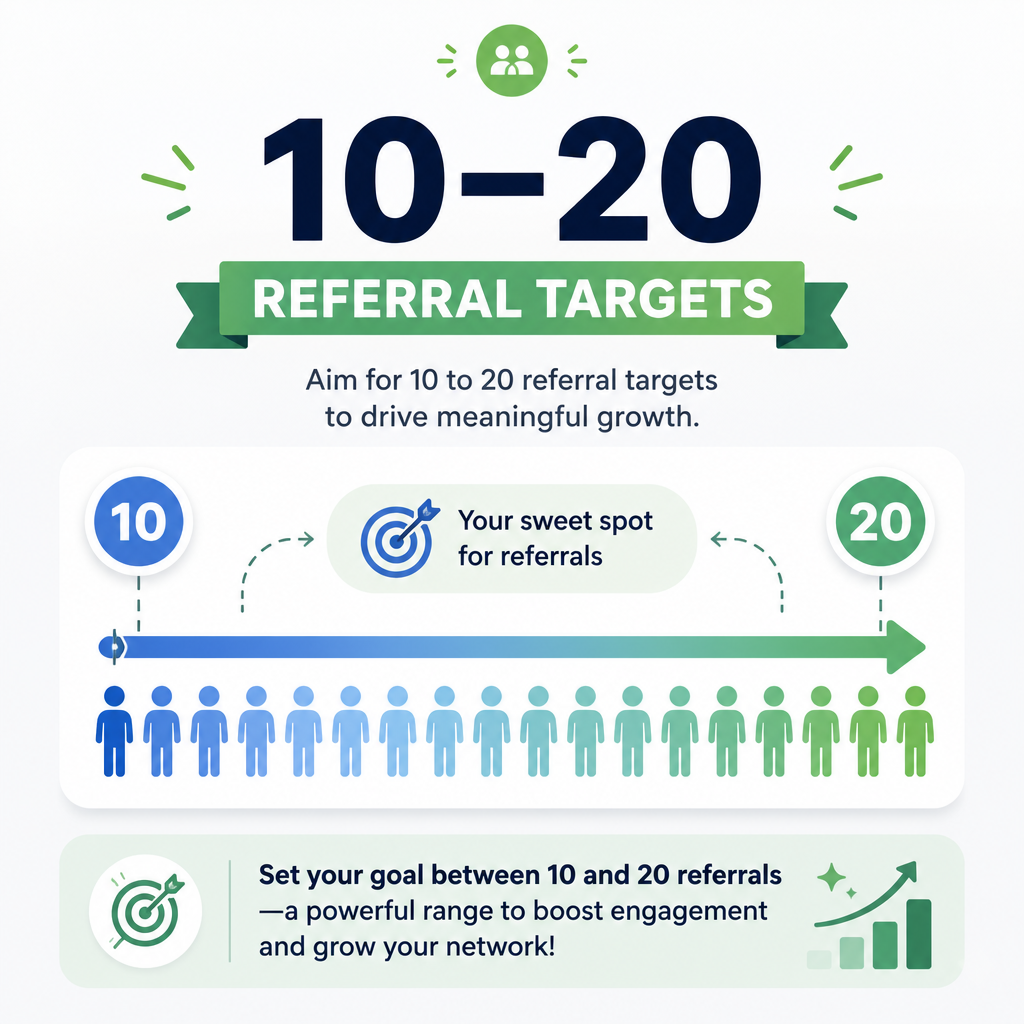
- Reach out to 10–20 referral targets (in a respectful, brief way).
- Run 1–2 validation engagements (even at a reduced rate or scholarship spots).
- Collect testimonials/feedback and refine your language.
Days 46–75: Convert interest into a caseload
- Improve your landing page (who you help, how you help, what you don’t do).
- Host one small workshop or webinar (topic: coping tools or meaning-making).
- Implement a simple follow-up sequence for leads.
- Start a waitlist for the next cohort.
Days 76–90: Systemize your growth
- Turn your starter package into a repeatable “program” with clear outcomes.
- Document your intake, session flow, and referral process.
- Set weekly KPI targets (e.g., outreach contacts, calls booked, offers sent).
- Plan your next 90 days: group offer, partnership expansion, or niche deepening.
FAQ: common questions on becoming a grief counselor/coach
1) Can I become a grief coach without clinical training?
Often, yes—if you keep your scope non-clinical and you’re trained in coaching ethics, emotional safety, and referral processes. Certification can add credibility, but your boundaries and competence matter most.
2) How do I know if I should pursue grief counseling instead?
If you want to assess, diagnose, and provide clinical treatment under licensure, then a clinical pathway (degrees and supervised experience) is likely required. If you prefer coaching-style support and tools within non-clinical limits, coaching may be the better fit.
3) How long does it take to become a grief coach?
Many coaches can start after completing training and building an ethical practice framework. The exact timeline varies by the program you choose, but you can begin offering services once you have the scope clarity, tools, and client-safety process in place.
4) What is the difference between grief coaching and therapy?
Therapy is typically clinical and may address mental health disorders and diagnosis. Grief coaching focuses on coping, meaning-making, routines, and growth strategies—without replacing clinical care.
5) Is there data on counselor pay and job outlook?
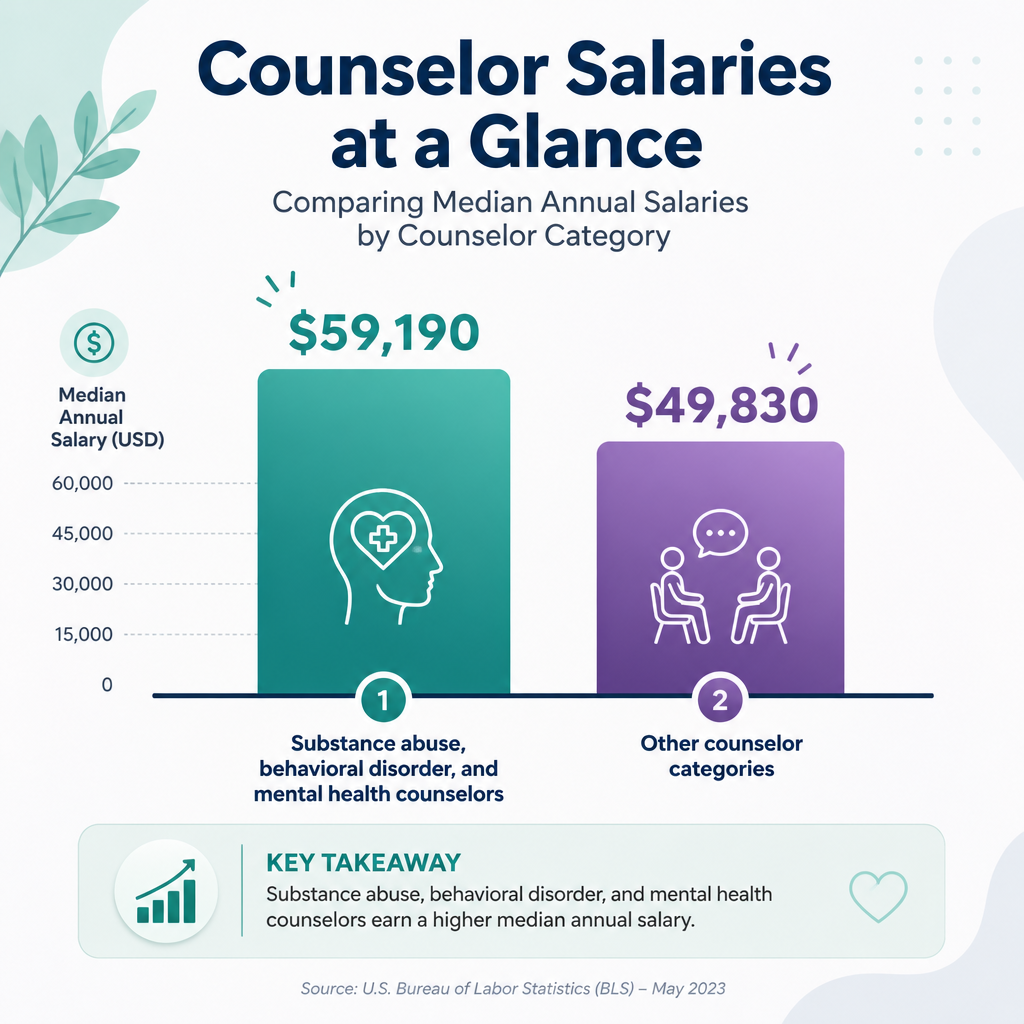
One reported figure shows median annual wages and projected growth for related counselor categories. For example, one source reports a median annual wage of $59,190 for substance abuse, behavioral disorder, and mental health counselors, with 16.8% projected growth; and $49,830 with 12.6% projected growth for other counselor categories (through the next decade). Pay and requirements vary by location and license.
6) How can I be a top grief conselor (or top grief coach) in practice?
Consistency, ethical boundaries, cultural humility, and structured sessions matter. Clients also respond to coaches/counselors who can translate grief concepts into practical coping steps—while knowing when to refer.