

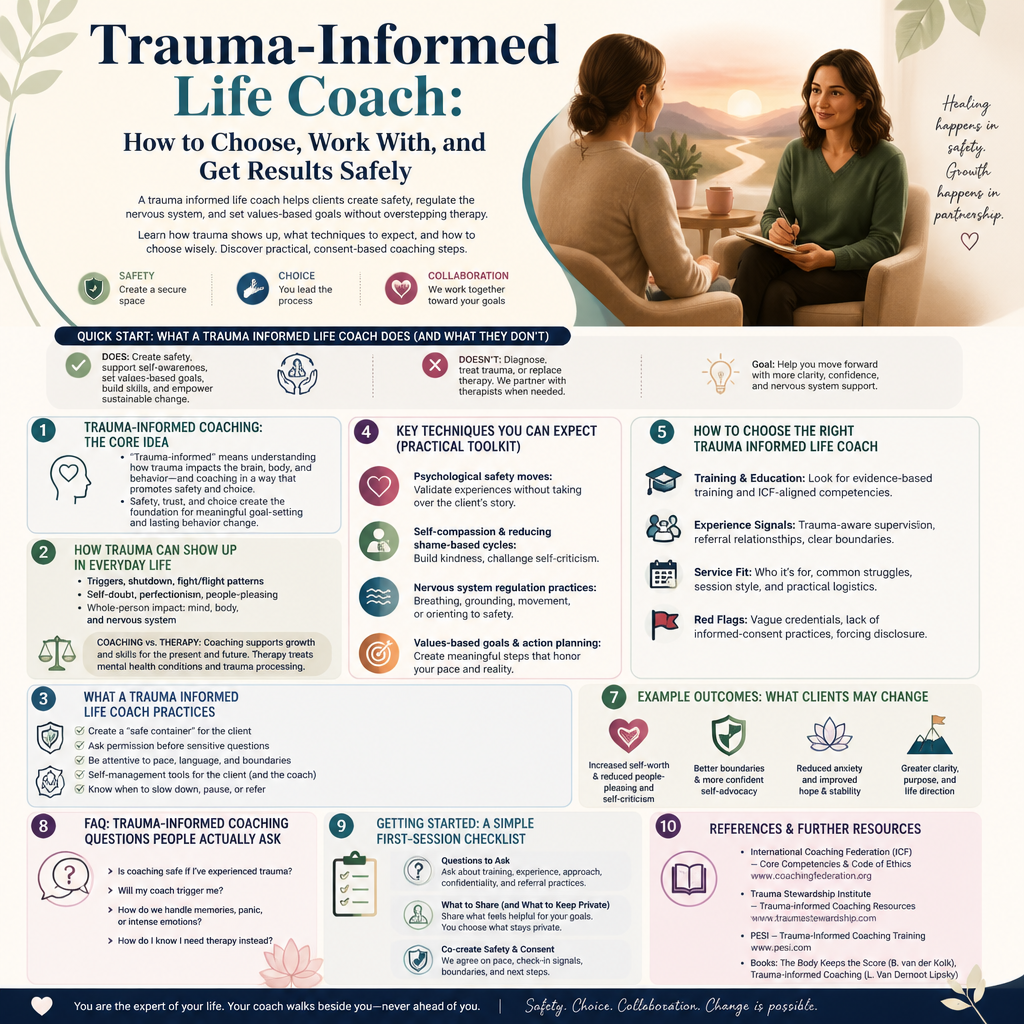
Quick start: what a trauma informed life coach does (and what they don’t)
A trauma informed life coach supports behavior change and life goals while taking into account how trauma can affect the brain, body, attention, emotions, and relationships. The core promise is not “fix your trauma.” It’s to create a safer way to coach—one that respects nervous-system realities, consent, pacing, and client autonomy.
In a trauma-informed coaching relationship, you should expect your coach to:
- Prioritize safety, trust, and choice (you can say yes/no and you can slow down).
- Use trauma-aware language and pacing (no forced disclosure, no “push through” pressure).
- Stay within coaching scope and refer you to licensed therapy when needed.
What they typically don’t do: provide psychotherapy, diagnosis, or clinical treatment for trauma disorders. They may collaborate with therapists, but they shouldn’t replace them.
1) Trauma-informed coaching: the core idea
What “trauma-informed” means in real coaching sessions
In practice, “trauma-informed” is a way of working, not a specific topic you must discuss. It’s an approach grounded in understanding that trauma can shape how people respond to safety, authority, stress, and change.
That’s why trauma-informed coaching often includes:
- Psychological safety: you’re not pressured to reveal details.
- Choice: you can select topics, set pace, and define boundaries.
- Consistency: predictable session structure and respectful communication.
Why safety, trust, and choice matter for goal-setting and behavior change
Goal-setting doesn’t happen in a vacuum. If your nervous system feels unsafe, “motivation strategies” can become triggers—leading to shutdown, overwhelm, irritability, or freezing. Trauma-informed coaching helps you build conditions where action planning is actually sustainable.
Instead of asking “Why aren’t you trying harder?” a trauma-informed coach may ask:
- “What makes this goal feel safe—or unsafe—for you?”
- “What pace supports you rather than overwhelms you?”
- “What’s one small step we can do without bypassing your needs?”
2) How trauma can show up in everyday life
Common manifestations coaches may encounter
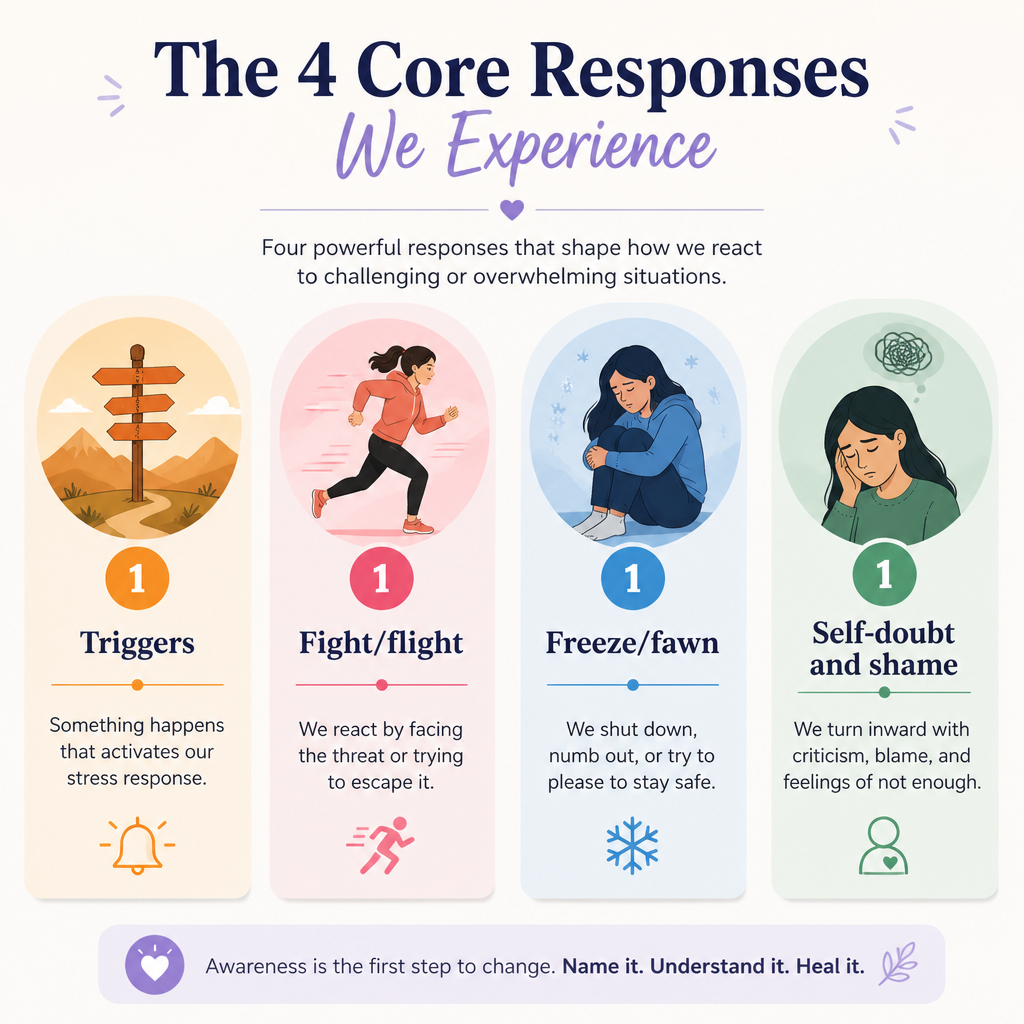
You don’t need to label your experience as trauma for trauma-informed coaching to help. Many clients arrive with patterns that can be consistent with trauma responses, such as:
- Triggers when discussing certain topics (conflict, rejection, authority, performance, money, abandonment fears).
- Fight/flight: sudden defensiveness, anger, rushing, avoidance, or “can’t slow down.”
- Freeze/fawn: shutting down, dissociation-like numbness, people-pleasing, over-accommodating.
- Self-doubt and shame: “Something is wrong with me,” perfectionism, harsh self-talk.
Whole-person perspective: mind, body, and nervous system
Trauma can live in the body and shape stress responses. That means a trauma informed life coach may treat “thoughts and emotions” as part of a bigger system—while still focusing on goals.
You may notice that your coach:
- checks in on how you feel in your body (without forcing it),
- uses grounding or regulation tools when you get overwhelmed,
- prioritizes pacing so action steps don’t become retraumatizing.
Coaching scope vs. therapy: where coaching helps and where referrals are essential
Coaching supports future-focused change (habits, boundaries, communication, routines, values-based decision-making). Therapy is typically needed when you have active symptoms that require clinical treatment (for example, severe PTSD symptoms, dissociation, or depression requiring diagnosis and structured treatment).
A trauma-informed coach should know where the line is and be comfortable referring you to a licensed clinician.
3) What a trauma informed life coach practices during sessions
Below are common trauma-informed coaching practices you may experience with a qualified coach.
Create a “safe container” for the client
A safe container is the coaching environment and relationship dynamic that helps you feel held without being controlled. It can include:
- clear session structure (agenda, time boundaries),
- predictable communication and respectful tone,
- space to opt out of sensitive questions.
Ask permission before sensitive questions
One of the most important trauma-informed signals is consent. You should hear questions like:
- “Would it be okay to explore that?”
- “Do you want to go deeper, or keep it practical today?”
- “Would you prefer we focus on what helps you feel safe right now?”
Be attentive to pace, language, and boundaries
Trauma-informed coaches are careful with words and timing. For example, instead of “Just get over it,” they might use language that validates experience while inviting choice.
They also respect boundaries around:
- what you’re willing to share,
- what you’re ready to practice between sessions,
- how quickly you want to address difficult topics.
Self-management tools for the client (and the coach)
A common goal of trauma-informed coaching is helping you build inner stability so you can act from steadiness—not survival mode.
Tools may include:
- emotional regulation and grounding practices,
- stress-awareness check-ins (“What’s your current capacity?”),
- boundary scripts and communication rehearsals,
- values mapping to choose goals that fit your safety needs.
Coaches also practice self-management (supervision, reflection, and staying aware of their own triggers) to reduce unintentional harm.
Know when to slow down, pause, or refer
Trauma-informed coaching includes humility: you don’t always push forward. If a topic escalates symptoms or overwhelms you, the coach should pause, regulate, and shift to safer targets—or refer to therapy.
4) Key techniques you can expect (practical toolkit)
Psychological safety moves
A trauma informed life coach often validates experience without taking over your story. This matters because clients may have lived through shame, invalidation, or coercion. Validation can look like:
- “That response makes sense given what you’ve been through.”
- “Let’s treat your nervous system as a smart messenger.”
- “You don’t have to relive details to work on change.”
Self-compassion and reducing shame-based cycles
Shame is often the fuel behind people-pleasing, perfectionism, and self-sabotage. Trauma-informed coaching may focus on replacing shame-based motivation with self-compassion that supports action.
Examples of coaching work you might do:
- reframing inner criticism into realistic, kinder self-talk,
- practice with boundaries that protect your energy,
- identifying “safety behaviors” (like avoidance) and choosing alternatives.
Nervous system regulation practices to support steady progress
Regulation doesn’t mean “avoid emotions.” It means building capacity to tolerate them while still moving toward your goals. A coach might guide you to notice triggers, then use grounding and pacing so you can continue.
Values-based goals and action planning that doesn’t bypass pain
Trauma-informed life coaching typically focuses on what you value and what you can do safely now, rather than bypassing emotions with willpower.
Instead of a harsh “push through,” you might design action plans like:
- small experiments (low-risk trials),
- reflection on what felt safe vs. unsafe,
- adjustments that support nervous system needs.
5) How to choose the right trauma informed life coach
Choosing well is an outcomes strategy and a safety strategy. Use the checklist below.
Training & continuing education: look for evidence-based, ICF-aligned competencies
Because coaching is less regulated than therapy, credentials vary widely. Look for coaches who have completed training that emphasizes safety, consent, and trauma-aware practice.
Practical questions to ask:
- “What trauma-informed training have you completed?”
- “Do you align coaching practices with recognized standards (for example, ICF competencies)?”
- “How do you continue learning and supervision?”
Experience signals: trauma-aware supervision, referral relationships, clear boundaries
Good coaches can explain how they handle safety concerns. Look for:
- clear boundaries (what they do and don’t do),
- informed-consent practices (permissions before sensitive topics),
- how they collaborate or refer to therapists.
Service fit: who it’s for, common struggles, and practical session logistics
Find a coach who actually serves people like you. Examples:
- If you struggle with anxiety and shutdown: ask how they support regulation and pacing.
- If you struggle with boundaries: ask what tools they use (scripts, rehearsals, values work).
- If you need structure: ask whether they provide action plans and tracking.
Also confirm logistics: session length, email/communication boundaries, and what “homework” looks like (and whether it’s optional).
Red flags
Be cautious if a coach:
- claims they can “heal trauma” like a clinical professional without proper scope,
- pressures you to disclose details you don’t want to share,
- ignores consent (“We need to go there now”).
- uses vague credentials or avoids questions about training.
6) Coaching engagement design: structure that supports outcomes
Trauma-informed coaching works best when it’s structured, predictable, and adjustable.
Typical timelines (what “progress” can look like)
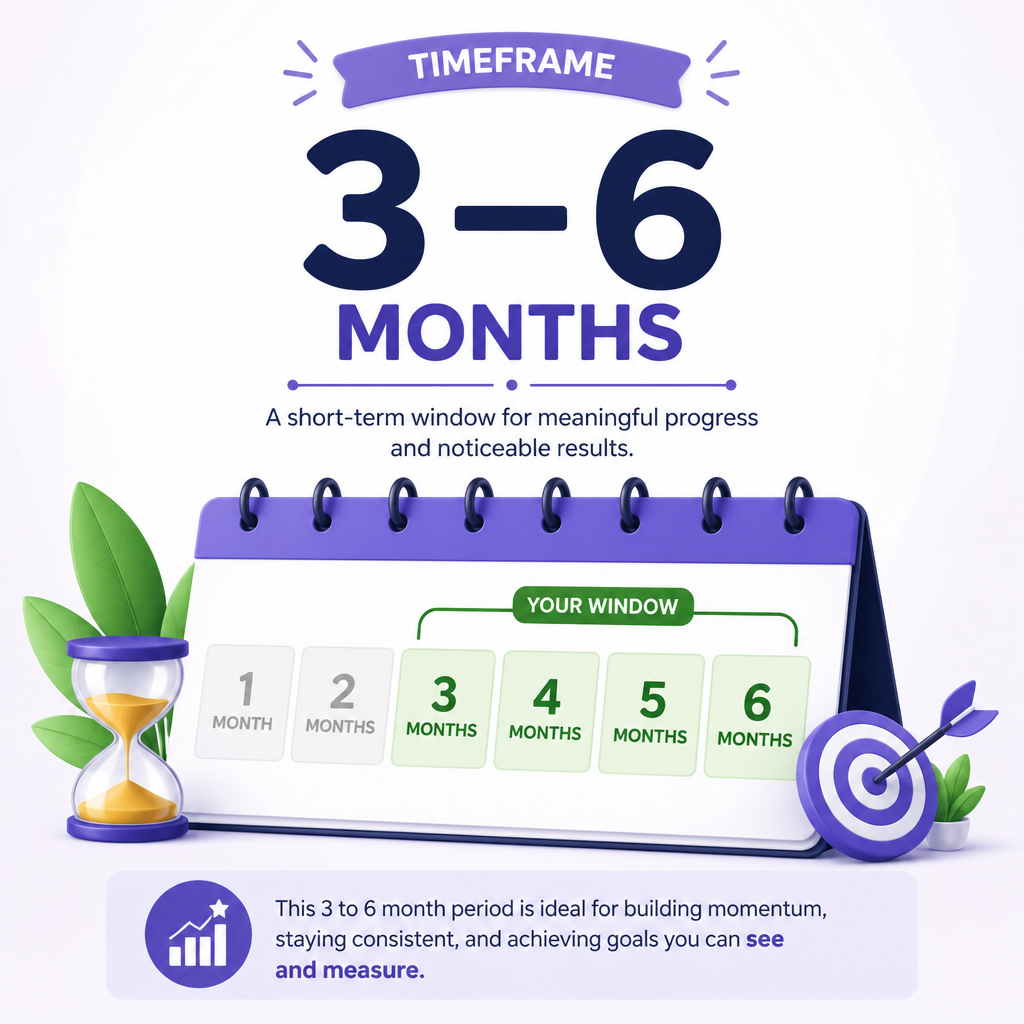
Everyone’s pace is different, but coaching often follows weeks to months of iterative planning. Some coaching relationships report meaningful changes within 3–6 months when support is consistent and goals are appropriately paced.
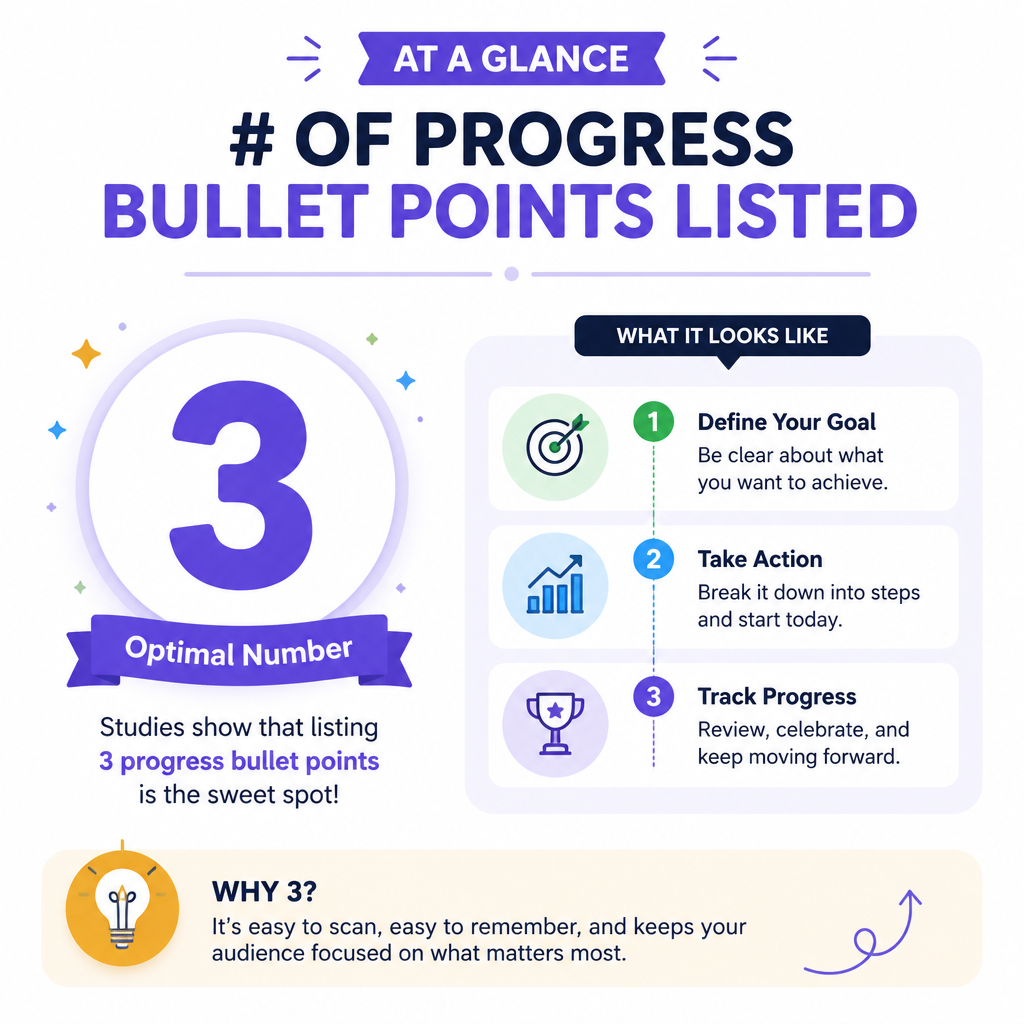
Progress might look like:
- fewer shutdown/avoidance episodes due to regulation skills,
- more self-trust when making decisions,
- better boundaries and safer communication patterns.
Setting agreements: safety, pacing, communication, and client autonomy
A strong trauma-informed agreement usually includes:
- how consent works in session (permission to go deeper),
- what happens if you get overwhelmed (pause/regulate/redirect),
- how the coach communicates outside sessions,
- how goals are chosen (values + capacity, not pressure).
Building a plan: small experiments, reflection, and measurable life improvements
Expect “test and adjust” coaching:
- define one target behavior or decision,
- design a small, safe experiment,
- reflect on what happened and why (including nervous-system cues),
- adapt the next step.
7) Example outcomes: what clients may change
A trauma informed life coach may help you improve across practical and emotional domains—especially when consent and pacing are built into the process.
Increased self-worth, reduced people-pleasing and self-criticism
Many clients describe moving away from shame-based identity (“I’m too much” / “I’m not enough”) toward self-trust and self-advocacy.
Better boundaries and more confident self-advocacy
You may practice communication and learn to choose responses that protect your energy and values—without fear of conflict.
Reduced anxiety and improved hope/stability when supported appropriately
When regulation is included, action plans become more tolerable. Clients may feel steadier and more hopeful as they build lived experience of “I can handle this.”
8) FAQ: trauma-informed coaching questions people actually ask
Is coaching safe if I’ve experienced trauma?
Often, yes—when the coaching relationship is trauma-informed and your coach uses consent, pacing, and appropriate referral practices. You should be able to opt out of sensitive discussions and still get meaningful goal support.
Will my coach trigger me?
Triggers can happen in any supportive environment. The difference is how the coach responds. A trauma-informed coach should monitor safety, ask permission, help you regulate, and shift focus if you become overwhelmed.
How do we handle memories, panic, or intense emotions?
Many trauma-informed coaches work “without reliving.” They may focus on present-day patterns, coping skills, and values-based action. If clinical treatment is needed or symptoms escalate, a referral to a licensed therapist is appropriate.
How do I know I need therapy instead?
If you have symptoms that impair daily functioning, experience severe panic/dissociation, or need diagnosis and clinical treatment, therapy is often a better fit. A trauma-informed coach should be able to discuss when to refer and how to collaborate with clinicians.
9) Getting started: a simple first-session checklist
Questions to ask the coach before booking
- What does “trauma-informed” mean in your practice?
- How do you handle consent and pacing in sessions?
- Do you have supervision and training in trauma-aware coaching?
- How do you support regulation when emotions spike?
- What do you do if you think therapy is needed?
What to share (and what to keep private)
You can share what feels safe and useful. You do not have to provide detailed trauma history to start coaching. In many cases, it’s enough to talk about current patterns (avoidance, anxiety, boundary issues, relationship triggers) and the outcomes you want.
How to co-create safety and consent for the work
During your first session, you can agree on:
- signals for “slow down” or “pause,”
- what topics are off-limits for now,
- how you’ll measure progress (behavior, emotion regulation, relationships, routines).
10) References and further resources
Note: Links below are for trauma-aware coaching education and training guidance.