
Quick start: how to use this guide
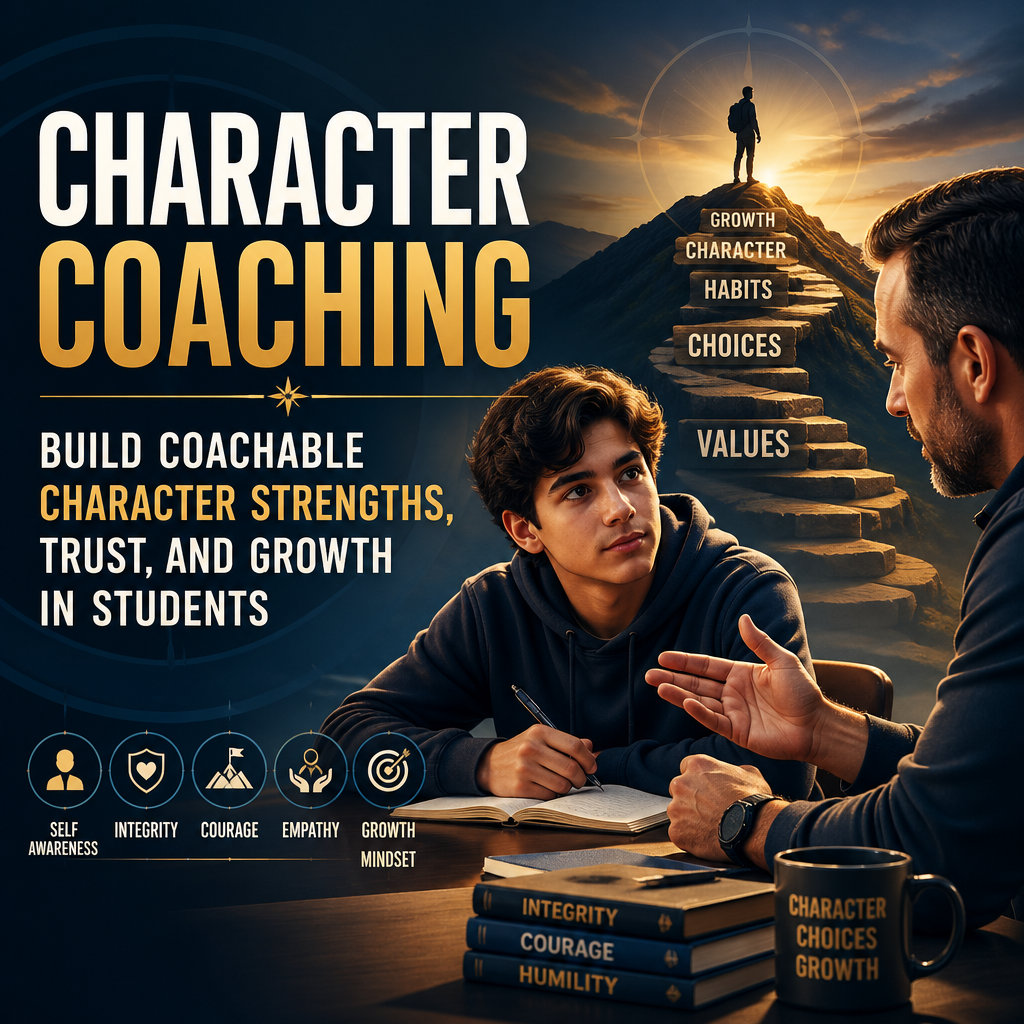
Character coaching is a practical way to help students build reliable character strengths—the values, choices, and habits they act on under real pressure. In this guide, you’ll learn a repeatable framework you can reuse: build a profile, form a mental model, identify character strengths (and blind spots), then run a simple coaching cycle that turns insights into observable behavior.
How to use this guide: Skim the sections first, then pick one student (or one group). Apply the profile + mental model steps, choose 1–2 character strengths to develop, and use the coaching prompts and cycle in sections 6 and 7.
1. Define character coaching (and what it is not)
Character coaching helps students improve through the lens of who they are becoming—especially the choices they make when it matters. It focuses on values, integrity, courage, self-control, humility, and other strengths that show up in decisions, not just intentions.
Character coaching vs. skill training
Skill training teaches “how to.” Character coaching asks “what guides the way you choose to act.” Both matter, but they’re not the same.
- Skill training: A student learns a technique (presentations, study plans, communication scripts).
- Character coaching: A student strengthens the principles and habits that determine whether they actually use the technique with consistency, honesty, and responsibility—especially under stress.
For example, a student may learn how to manage time (skill), but character coaching addresses whether they choose to follow through when there’s temptation to delay (character).
The “character before skill” mindset
A useful way to frame the work is: character before skill. Skills can be copied. Character must be cultivated. When values and choices align, outcomes become more sustainable.
Leadership and performance often falter when character issues appear (integrity gaps, avoidance under pressure, lack of self-control). Coaching that targets character helps prevent those repeated pattern failures—rather than only patching symptoms.
2. Start with a coachable character profile
Before you coach, you need a starting map. A character profile is an organizational tool for tracking the psychographics and internal tensions that shape behavior—more than superficial demographics.
Use character profiles as organizational tools (psychographics > demographics)
Demographics tell you “who” someone is in society. Psychographics help you understand “why” someone chooses the way they do. In character coaching, psychographics are the engine.
Instead of only asking: “Where is the student from?” ask:
- What do they want most (wants/desires)?
- What do they fear most (fears/anxieties)?
- Where do they experience inner tension—what conflicts push and pull them?
- What do they say they value, and what do they repeatedly do when no one is watching?
Track yearnings, conflicts, wants, lies, and growth tensions
Believable character depth often comes from the internal material students carry—especially what they reach for and what they avoid.
Use these lenses:
- Yearnings: What success means to them emotionally.
- Wants: What they pursue in the short term.
- Conflicts: Competing drives (e.g., belonging vs. honesty).
- “Lies” (self-deceptions or distortions): The excuses or narratives they rely on to keep feeling okay.
- Growth tensions: The friction where change will be felt (e.g., humility feels like losing status).
Avoid the trap: believable depth comes from actions, not just a profile
A profile is not the person. It’s a hypothesis. The proof of character is found in patterns of decisions—what they do, not only what they claim. Use the profile to guide questions, then validate it against evidence from real choices and conflicts.
3. Build a mental model of the person you coach
Once you have a character profile, build a mental model: a structured way to predict how the student tends to act when conditions change.
What a mental model includes: what they do, think, and the traits they bring
To coach accurately, your mental model should include three layers:
- Observed behavior: What do they do in real situations?
- Likely thinking: What reasons do they use (or what logic drives them)?
- Character traits: Which strengths show up reliably—and which weaknesses appear as patterns?
Even in education settings where you only see part of a student’s world, you can build a better model by gathering consistent evidence through discussions, reflections, and scenario responses.
How this improves communication, rapport, and coaching accuracy
When you coach from a mental model, you:
- Ask questions that “fit” their inner world.
- Respond in ways that build trust (students feel seen, not judged).
- Reduce guesswork—so feedback lands where it can be acted on.
Remote vs. co-located reality: adapting observation and inference
If you coach remotely, your evidence changes. You can’t observe everything. So you adjust your approach:
- Co-located: You can observe interactions, tone, group dynamics, and timing.
- Remote: Rely more on scenario prompts, reflection writing, and structured conversations that reveal decision logic.
Remote coaching benefits from “thinking-in-the-moment” prompts: short scenarios, then follow-up questions like “What were you trying to protect?” and “What would you do differently if you had more time?”
4. Identify character-strengths-for-coaching-students
Character coaching doesn’t start with deficits alone. It starts with character strengths—because strengths create momentum and trust. Then you address blind spots so those strengths become reliable, not fragile.
How to observe strengths without ignoring blind spots
When you look for strengths, also look for their shadow. For example:
- Courage can become impulsiveness without self-control.
- Integrity can become rigidity without humility.
- Self-control can become emotional suppression without compassion.
So your goal is not “praise the student,” but “name what works and where it breaks.”
A practical strengths-first lens for students
Use a strengths-first lens to guide coaching conversations:
- Evidence: Where did the strength show up?
- Conditions: What situations triggered it?
- Tradeoffs: What did it cost them?
- Next step: What micro-behavior would make it stronger?
Turning strengths into coaching habits (questions, feedback, practice)
Strengths become habits when you repeatedly connect them to actions. Convert strengths into coaching tools:
- Coaching questions: “What value were you serving here?” “What choice did you make when it was hard?”
- Feedback: Focus on decisions and reasoning, not only outcomes.
- Practice: “What would you do?” scenarios that require the strength under realistic pressure.
Common character-mismatch patterns to watch for
Below are common patterns that often appear when “character” and “performance” don’t match.
- Repeated failures: The same outcome pattern suggests deeper character issues, not just skill gaps.
- Avoidance: Delaying, sidestepping, or hiding is often a fear response (protecting self-image) rather than laziness.
- Integrity gaps: Inconsistency between stated values and observed choices (e.g., “I value honesty” but excuses replace truth).
- Patterned rationalizations: A stable story the student uses to avoid accountability.
Your role is to distinguish skill gaps from character issues—and then coach the right lever.
5. Coaching moves that develop character (not just performance)
Many coaches jump directly to tactics. Character coaching requires moves that connect values to choices, choices to patterns, and patterns to change.
Use moral questions and values-to-actions links
Instead of only asking for effort (“Try harder”), ask for clarity about values under pressure:
- “What mattered most to you in that moment?”
- “If you had to be honest with yourself, what were you protecting?”
- “What would a person with integrity do next?”
Then connect values to observable behavior: “What does integrity look like when it’s inconvenient?”
Coach through patterns: distinguish skill gaps from character issues
A helpful diagnostic approach:
- If the student can perform when supervised but fails when unsupervised, character issues are likely (integrity, self-control).
- If the student wants to do the task but can’t break it down, it may be a skill/strategy gap.
- If the student refuses responsibility even after support, character issues (humility/accountability) may be central.
Use the evidence you gathered from actions and conflicts (section 2) to decide what to coach.
Feedback loops: align stated values with observed behavior
Character coaching improves when feedback loops become consistent:
- Value statement: “You said you value honesty.”
- Behavior evidence: “In this situation, you chose a workaround.”
- Decision question: “What was the fear behind that choice?”
- Practice commitment: “What will you do next time within the same constraints?”
That loop turns insight into future action.
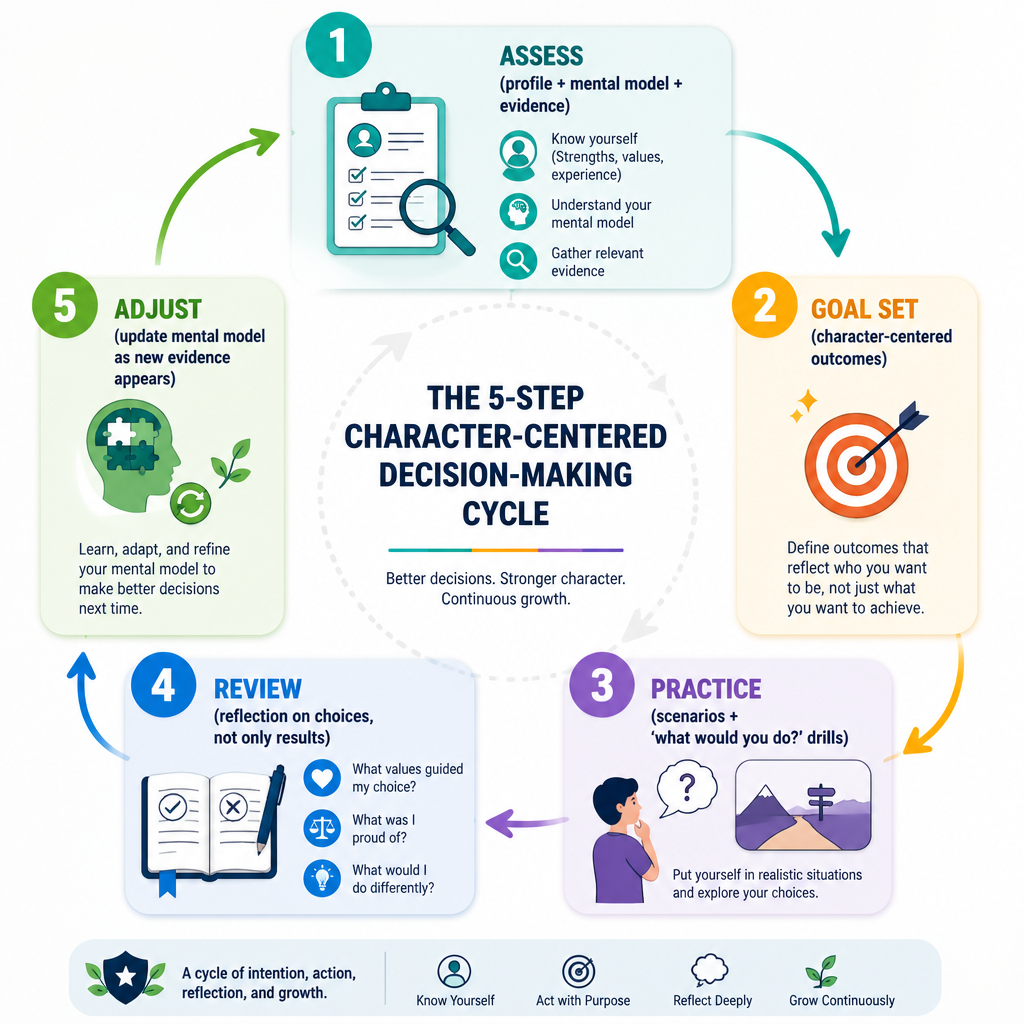
6. Plan a simple coaching cycle for students (a repeatable framework)
To make character coaching scalable, use a simple cycle. Here’s a structure you can reuse across weeks, cohorts, or individual coaching.
Step 1: Assess (profile + mental model + evidence)
Gather three types of evidence:
- Profile data: yearnings, wants, conflicts, self-deceptions, tensions.
- Mental model: what they do, think, and tend to rely on.
- Action evidence: patterns from real choices and repeated scenarios.
Goal: form a hypothesis about what drives the student’s behavior.
Step 2: Goal set (character-centered outcomes)
Write goals as character-centered outcomes, not only performance targets. Examples:
- “Demonstrate integrity under pressure by telling the truth before asking for help.”
- “Practice self-control by completing the first 10 minutes of work before negotiating.”
- “Show humility by requesting feedback after a mistake, without rationalizing.”
Make the goal specific enough to observe.
Recommended coaching cycle duration
Step 3: Practice (scenarios + ‘what would you do?’ drills)
Character strengths show up when students rehearse choices. Use scenario drills:
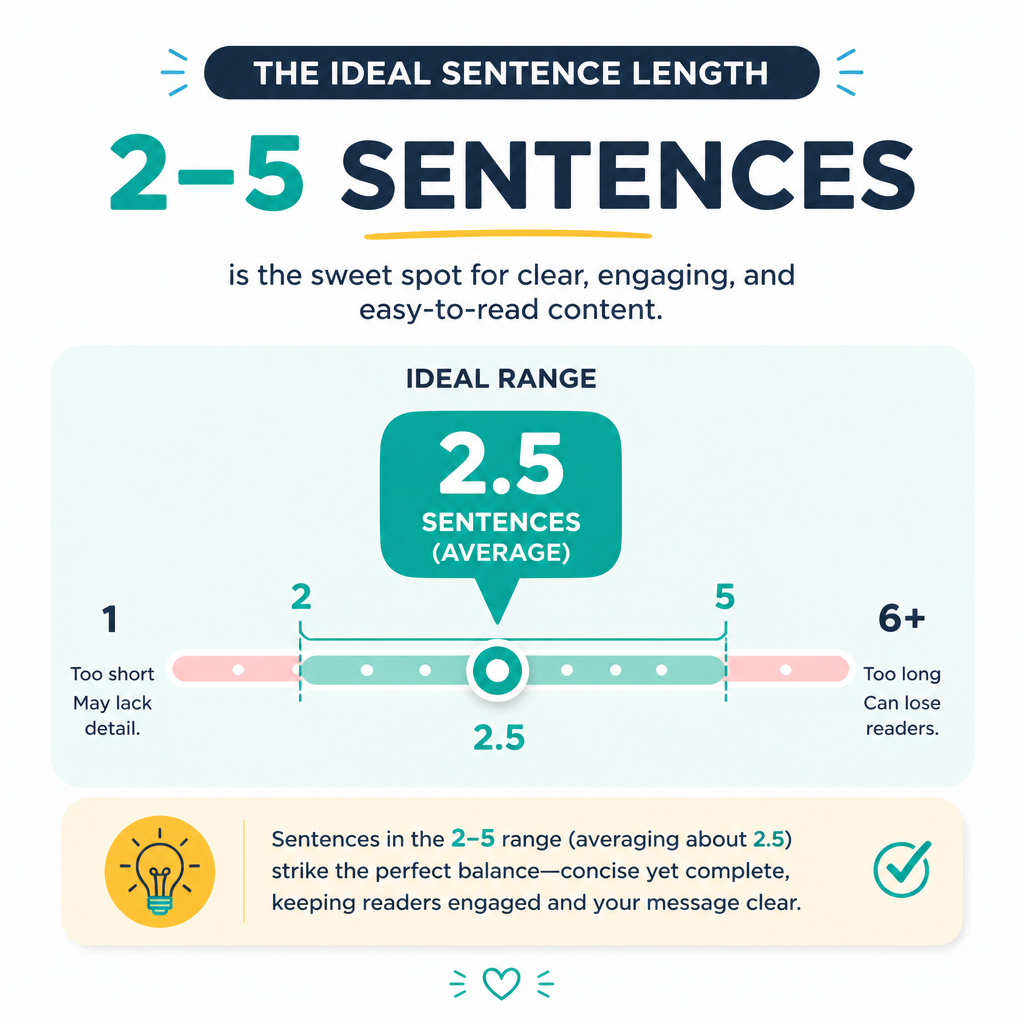
- Short scenario description (2–5 sentences).
- Student predicts what they would do and why.
- Coach challenges blind spots: “What value is served?” “What fear is protected?”
- Student selects a concrete next action.
Step 4: Review (reflection on choices, not only results)
In review sessions, focus on decision quality:
- “What choice did you make when you felt pressure?”
- “What story did you tell yourself in the moment?”
- “What would a more coachable character strength have looked like?”
Results matter, but character is revealed by the reasoning and the response.
Step 5: Adjust (update your mental model as new evidence appears)
As you learn, refine your mental model. If the student behaves differently than predicted, don’t force the old theory—update it.
A coachable mindset includes:
- New evidence changes your understanding.
- Goals evolve as strengths stabilize.
- Blind spots receive timely correction.
7. Practical examples and prompts you can reuse
Below are reusable prompts aligned with character coaching. Use them in coaching conversations, journals, or remote sessions.
Prompts to surface wants, fears, and conflicts
- Wants: “What do you hope happens if you take the honest route?”
- Fears: “What’s the downside you imagine if you admit you’re wrong?”
- Conflicts: “What are the two values pulling you in different directions here?”
- Self-deception check: “What explanation are you using that might not be fully true?”
Remote-friendly prompts to infer thinking patterns
- “Write what you would do in this scenario, then explain the decision reasoning in 5 sentences.”
- “What would you say to someone else in the same situation?”
- “What would a ‘best version of you’ choose right now—and what stops you?”
Scenario-based coaching for integrity, courage, humility, self-control
- Integrity: “You made an error. Nobody has noticed yet. What do you do first, and why?”
- Courage: “You disagree with a peer in front of others. What would you say without trying to win?”
- Humility: “You were corrected. How do you respond in a way that protects growth rather than ego?”
- Self-control: “You’re tempted to quit early or hide progress. What’s the smallest action you take to stay on track?”
8. Common mistakes (and how to fix them)
- Over-relying on demographics or checklists: Fix by grounding coaching in observed decisions and conflicts.
- Treating character as personality: Character is about choice under pressure. Coach choices and decision logic.
- Jumping to tactics before trust: Build trust with accurate questions, reflections, and consistent feedback loops.
- Only tracking outcomes: Track evidence of behavior change and reduction in repeated pattern failures.
9. Measuring progress in character coaching
Character coaching works best when progress is measurable. You don’t need complex tools—just consistent evidence.
What to track
- Behavioral evidence: fewer integrity violations, more accountability, more follow-through.
- Pattern repetition: are the old repeated failures becoming less frequent or less severe?
- Decision rationales: does the student’s explanation shift from excuses to accountable reasoning?
- Time-to-repair: how quickly they correct course after a mistake.
How to document growth for students and stakeholders
Use short progress notes tied to the character-centered goals:
- Goal: “Integrity under pressure”
- Evidence: “Student reported an error before it was discovered.”
- Reflection: “Student identified fear of consequences and chose honesty anyway.”
- Next practice: “Repeat integrity drill in the next scenario.”
This keeps coaching transparent and focused.
10. References and next steps
Where to go deeper (top references used for this guide)
- Carrie Jones Books — What is a Character Profile?
- Amateur Coach — Agile Coaching: Building my mental model of a person
- Leadership Freak — Character Before Skill
Your next steps
If you want to apply character coaching immediately:
- Choose 1 student and create a draft character profile (wants, fears, conflicts, tensions).
- Build a mental model: what they do, think, and which traits reliably show up.
- Select 1–2 items from character-strengths-for-coaching-students to strengthen.
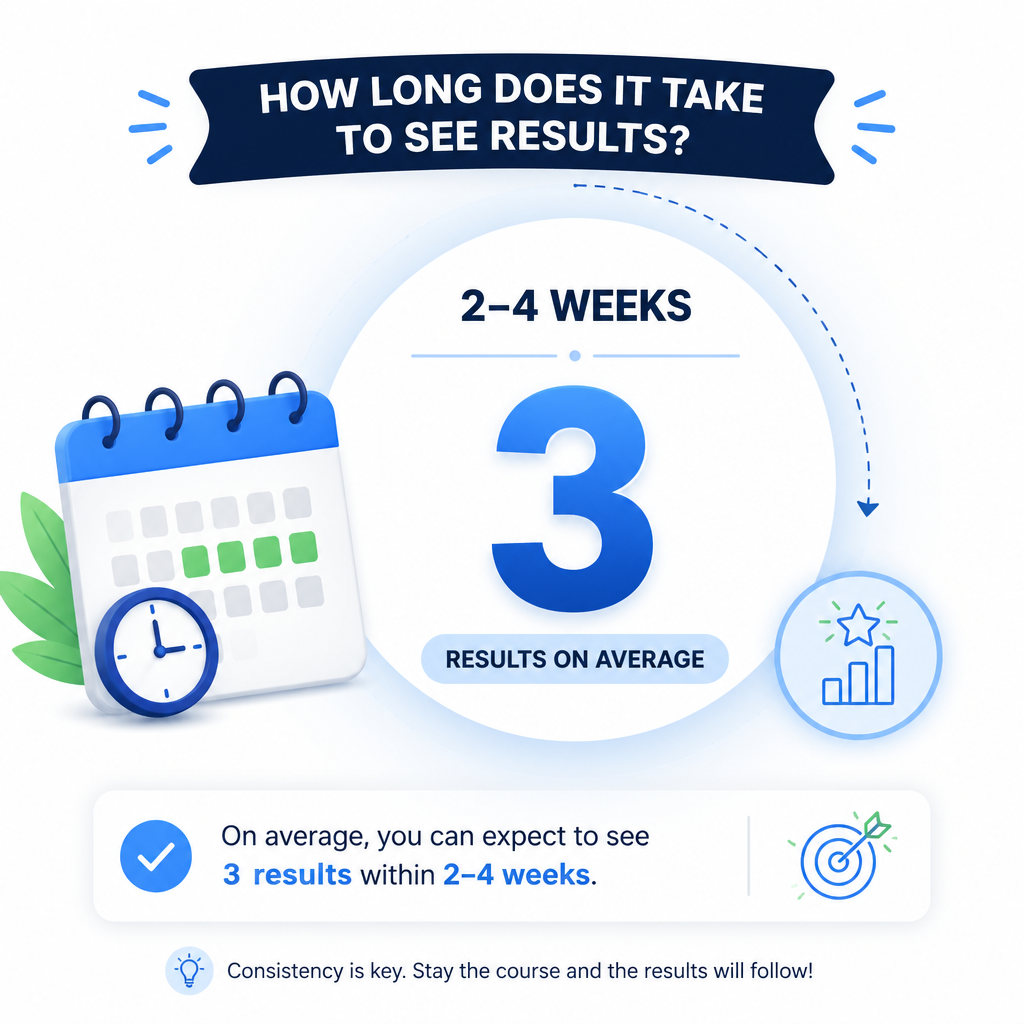
- Run the coaching cycle (Assess → Goal → Practice → Review → Adjust) for 2–4 weeks.
Over time, your coaching will become more accurate, trust will deepen, and growth will move from intention to observable character change.