
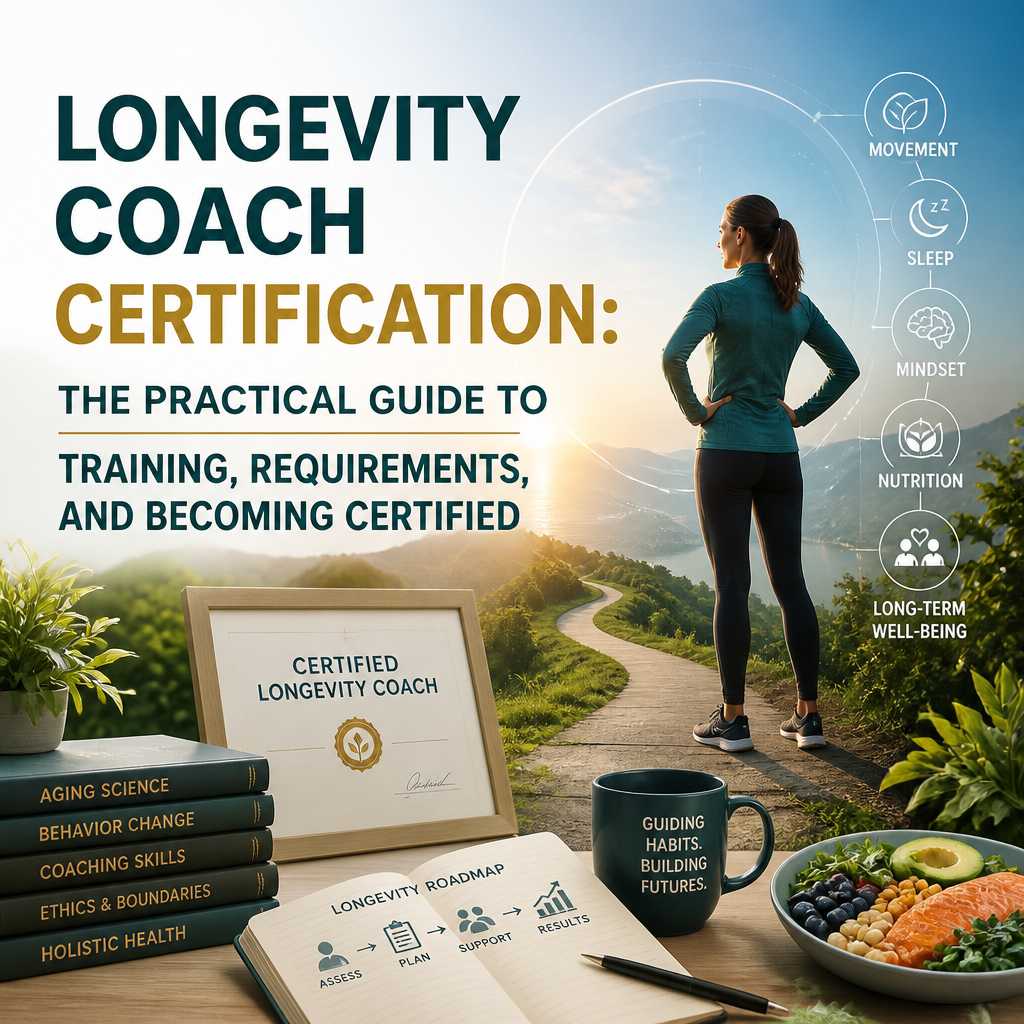
1. Introduction: Why Longevity Coach Certification Matters
Longevity is no longer just a research topic—it’s a client demand. People want to age well, maintain function, and reduce preventable decline through everyday choices like movement, sleep, nutrition, and stress management. That’s where longevity coach certification becomes important.
Certification helps you move beyond vague wellness advice and toward a structured, science-informed coaching practice. A strong program teaches you how to:
- Understand the difference between “anti-aging” marketing and long-term longevity goals
- Coach behavior change (not just provide information)
- Support clients with ethical boundaries and client-safety awareness
- Translate evidence-based principles into practical habits and accountability
- Build credibility and a viable coaching offer
In this guide, you’ll learn what longevity coaches do, what requirements to look for in a certification program, what training typically includes, and how to choose the right path—plus a quick-start action plan to get ready to coach.
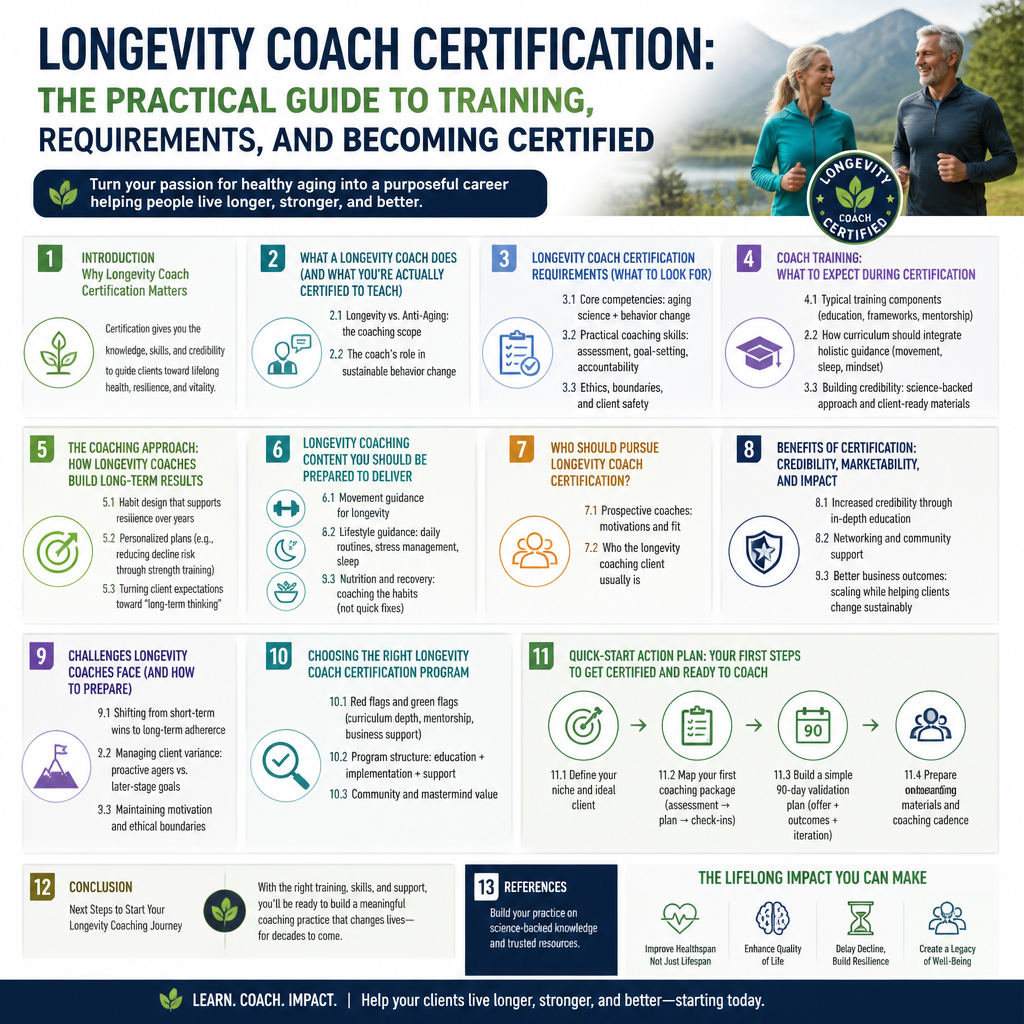
2. What a Longevity Coach Does (and What You’re Actually Certified to Teach)
A longevity coach is not a “magic fix” provider. Your job is to help clients build sustainable routines that support resilience over years. While you’ll likely touch exercise, sleep, nutrition, and stress, the heart of the role is behavior change.
2.1 Longevity vs. Anti-Aging: the coaching scope
It’s easy to blend these terms. However, in coaching, the scope usually differs:
- Longevity emphasizes functional aging—staying strong, mobile, and healthy over time using habits and risk-reduction strategies.
- Anti-aging often implies cosmetic or short-term outcomes (and can drift into unrealistic claims).
Good longevity coach certification programs anchor your scope in realistic, long-term behavior goals: adherence, consistency, and measurable progress over time.
2.2 The coach’s role in sustainable behavior change
Most clients don’t fail because they lack knowledge—they fail because habits are hard. Your coaching role includes:
- Assessing readiness (current routines, constraints, motivations)
- Designing habit systems (tiny steps, cues, tracking, feedback)
- Setting goals that match life context (not only ideal timelines)
- Creating accountability through check-ins and problem-solving
- Maintaining ethical boundaries (knowing when to refer to medical professionals)
3. Longevity Coach Certification Requirements (What to Look For)
Not all certifications are equal. When comparing options, evaluate them like you would evaluate a training that affects real people’s outcomes. You want both competence and structure.
3.1 Core competencies: aging science + behavior change
Look for curricula that combine:
- Aging literacy: foundations of how decline can happen and what lifestyle factors influence it
- Coaching frameworks: goal-setting, habit formation, behavior change principles
- Practical translation: turning evidence into coaching actions clients can actually do
In top programs, the science isn’t just theory—it becomes a repeatable method you can use in sessions and in your client materials.
3.2 Practical coaching skills: assessment, goal-setting, accountability
Many “wellness” trainings focus on content delivery. A strong longevity coach certification emphasizes coaching mechanics:
- Assessments (baseline routines, risk-awareness, readiness)
- Coaching plans (what to do, when to do it, and how to adjust)
- Accountability cadence (check-ins, follow-ups, troubleshooting)
- Behavior measurement (simple KPIs aligned to habits and outcomes)
3.3 Ethics, boundaries, and client safety
A credible program clearly trains you on what you can’t do and how to protect clients. That includes:
- Understanding when to recommend medical evaluation or referral
- Avoiding diagnosis or treatment claims
- Using responsible language and expectation management
- Respecting client autonomy and informed choice
If the training is vague about ethics, boundaries, or safety, treat that as a red flag.
4. Coach Training: What to Expect During Certification
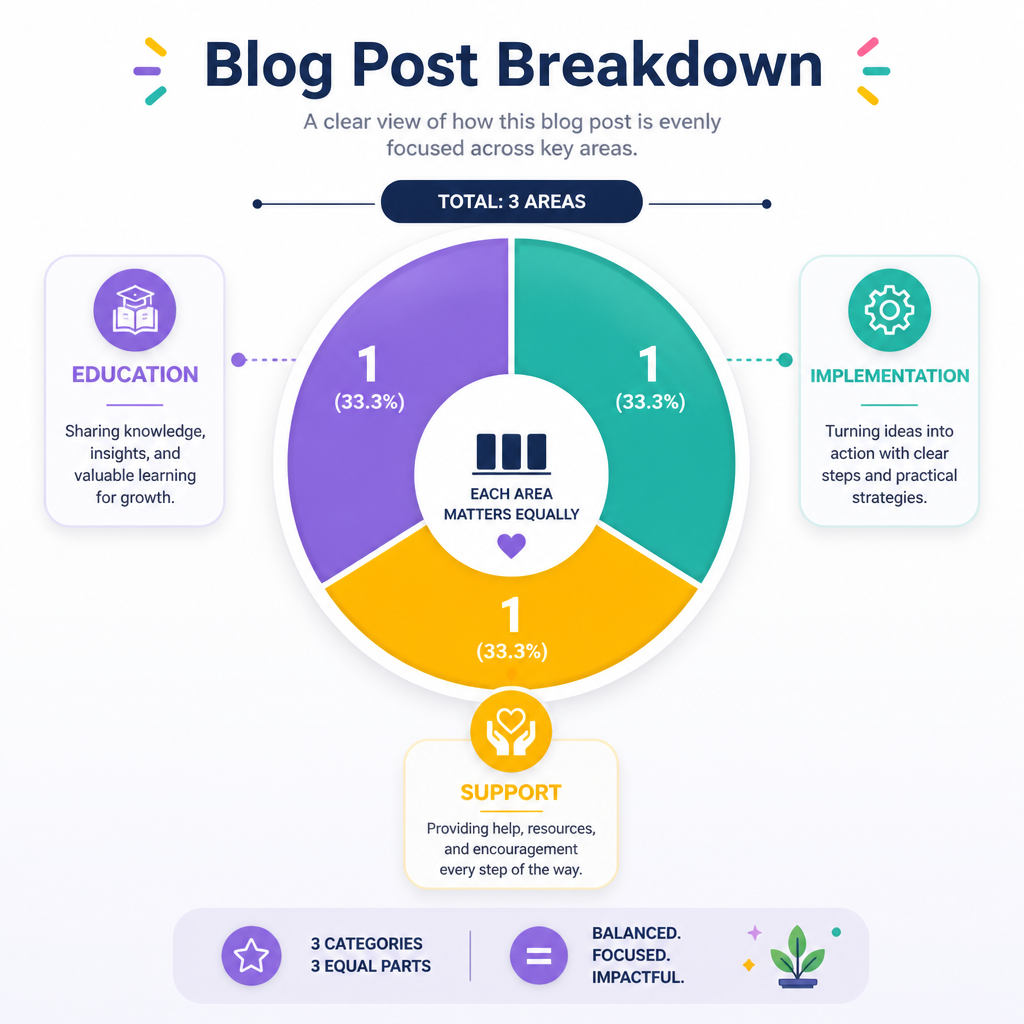
While formats vary (self-paced, cohort-based, mentorship-heavy), most effective longevity coach training includes three components: education, implementation, and support.
4.1 Typical training components (education, frameworks, mentorship)
Common elements include:
- Educational modules on longevity principles and behavior change
- Coaching frameworks you can reuse in sessions (e.g., assessment → plan → check-ins)
- Mentorship or community to help you apply learning and refine your delivery
- Business readiness (offer design, positioning, credibility materials)
4.2 How curriculum should integrate holistic guidance (movement, sleep, mindset)
Longevity is multi-factor. A good curriculum won’t isolate one dimension. Instead, it helps you coach holistically, such as:
- Movement for longevity: building strength, mobility, and consistency
- Sleep coaching: routines, stress reduction, and recovery habits
- Mindset and stress management: improving adherence and reducing friction
Crucially, the best programs teach you how to integrate these into a practical plan—so clients know what to do, not just what they “should” do.
4.3 Building credibility: science-backed approach and client-ready materials
To market and deliver confidently, you need more than knowledge. You need client-ready assets such as:
- Session guides and coaching scripts
- Assessment templates
- Goal-setting worksheets
- 90-day or phased program outlines
- Expectation-setting language
Look for programs that help you package your approach so clients understand how you work—and why it’s different.
5. The Coaching Approach: How Longevity Coaches Build Long-Term Results
Longevity coaching is fundamentally about resilience. The goal is to help clients maintain good habits even when life gets busy, stressful, or uncomfortable.
5.1 Habit design that supports resilience over years
Instead of chasing temporary intensity, longevity coaches design habits that:
- Match the client’s schedule and energy
- Progress gradually to reduce overwhelm
- Include feedback loops (tracking, review, adjustment)
- Account for setbacks and life transitions
5.2 Personalized plans (e.g., reducing decline risk through strength training)
One common longevity coaching theme is strength and functional capacity. For example, helping clients incorporate strength training is often part of reducing decline risk—because it supports muscle, mobility, and independence.
However, what matters is not the exercise alone; it’s personalization:
- Start where the client is
- Choose safe progressions
- Integrate recovery so consistency is realistic
A quality certification should teach you how to guide clients toward safe, sustainable routines and how to adjust based on adherence—not just “perfect” protocols.
5.3 Turning client expectations toward “long-term thinking”
Many clients arrive looking for quick transformation. Longevity coaching requires expectation alignment:
- Explain timelines realistically (improvement vs. perfection)
- Focus on leading indicators (habits, consistency, recovery)
- Reframe success as “staying on track” over months
This is one reason ethical coaching and behavior-change training matters—your credibility depends on guiding people away from disappointment and toward sustainable commitment.
6. Longevity Coaching Content You Should Be Prepared to Deliver
After certification, your content delivery should be structured and coherent. Here are the main categories you should be ready to coach.
6.1 Movement guidance for longevity
You should be able to guide clients toward movement habits that support longevity, such as:
- Strength training basics and progression mindset
- Mobility and joint-friendly routines
- Daily activity prompts (steps, movement breaks)
- Consistency planning (what to do when motivation drops)
6.2 Lifestyle guidance: daily routines, stress management, sleep
Longevity isn’t only what happens in the gym. You should help clients build routines that reinforce recovery and reduce stress load:
- Daily rhythm building (anchors, cues)
- Stress-management habits (breathing, downshifting routines)
- Sleep hygiene coaching (environment, timing, wind-down)
6.3 Nutrition and recovery: coaching the habits (not quick fixes)
Be careful with how you position nutrition. As a coach, you guide habits and choices; you don’t replace medical or dietetic care.
Look to deliver:
- Practical nutrition habits aligned with energy and adherence
- Recovery principles (hydration, recovery scheduling, rest habits)
- Long-term mindset (small improvements that stick)
7. Who Should Pursue Longevity Coach Certification?
Certification is a fit if you want to blend wellness enthusiasm with structured coaching and science-informed guidance.
7.1 Prospective coaches: motivations and fit
Consider longevity coach certification if you:
- Want a coaching career that supports long-term outcomes
- Enjoy behavior change work and client accountability
- Are ready to learn frameworks, not just trends
- Value ethics, safety, and realistic expectations
7.2 Who the longevity coaching client usually is
Longevity clients commonly include proactive adults who want preventive strategies—often people who are health-conscious but feel stuck or overwhelmed by conflicting information.
They may be:
- Striving to maintain function and energy
- Trying to improve habits after a disruption (stress, travel, aging milestones)
- Motivated by long-term independence and resilience
8. Benefits of Certification: Credibility, Marketability, and Impact
Choosing a program is not only about learning—it’s about outcomes for your clients and your career.
8.1 Increased credibility through in-depth education
Longevity is a competitive space. Certification helps you demonstrate that you’re trained to coach responsibly and effectively.
8.2 Networking and community support
Many programs provide a mastermind, community access, or mentorship. That support can help you:
- Refine your offer and coaching style
- Ask questions when real client scenarios arise
- Stay consistent in your professional growth
8.3 Better business outcomes: scaling while helping clients change sustainably
A strong certification doesn’t only teach you what to say—it teaches you how to run coaching sustainably:
- Clear packages and engagement structure
- Onboarding and coaching cadence
- 90-day programs that encourage adherence
This is how you scale your impact without diluting quality.
9. Challenges Longevity Coaches Face (and How to Prepare)
Longevity coaching can be deeply rewarding—but it comes with specific challenges.
9.1 Shifting from short-term wins to long-term adherence
Some clients want rapid results. Your job is to help them stay engaged with a longer horizon. Prepare to coach through:
- plateaus and variability
- motivation dips
- life events that disrupt routines
9.2 Managing client variance: proactive agers vs. later-stage goals
Clients may be in different stages of readiness. A good program prepares you to adapt:
- Proactive clients may need habit structure and focus
- Later-stage clients may require more pacing, safety awareness, and referral clarity
9.3 Maintaining motivation and ethical boundaries
Longevity coaching requires emotional resilience and professionalism. Stay grounded with clear boundaries, ongoing learning, and responsible communication.
10. Choosing the Right Longevity Coach Certification Program
Use a simple scorecard when comparing programs. You want depth, application, and ongoing support.
10.1 Red flags and green flags (curriculum depth, mentorship, business support)
Green flags often include:
- A curriculum that covers aging science and behavior change
- Practical coaching frameworks and templates
- Mentorship/community to support implementation
- Ethics and safety guidance
- Business building support (positioning, credibility, packaging)
Red flags may include:
- Guarantees of outcomes or unrealistic “anti-aging” claims
- Little focus on coaching mechanics
- Vague ethics, boundaries, or client-safety policies
- No real structure for implementation
10.2 Program structure: education + implementation + support
Choose a program that has a complete pipeline:
- Education: what you need to understand
- Implementation: how you apply it to coaching scenarios
- Support: how you keep improving and avoid common errors
10.3 Community and mastermind value
Community matters because longevity coaching is both science and practice. Feedback from peers and mentors accelerates confidence and reduces trial-and-error.
11. Quick-Start Action Plan: Your First Steps to Get Certified and Ready to Coach
Here’s a practical 90-day-style plan you can use even before your first client—so you’re ready when opportunities show up.
11.1 Define your niche and ideal client
Start narrow. Define:
- Your ideal client’s age range and motivations
- The main problem you help solve (e.g., strength maintenance, sleep routine reset, stress-adherence)
- Your coaching style (supportive accountability, structured plans, education-first, etc.)
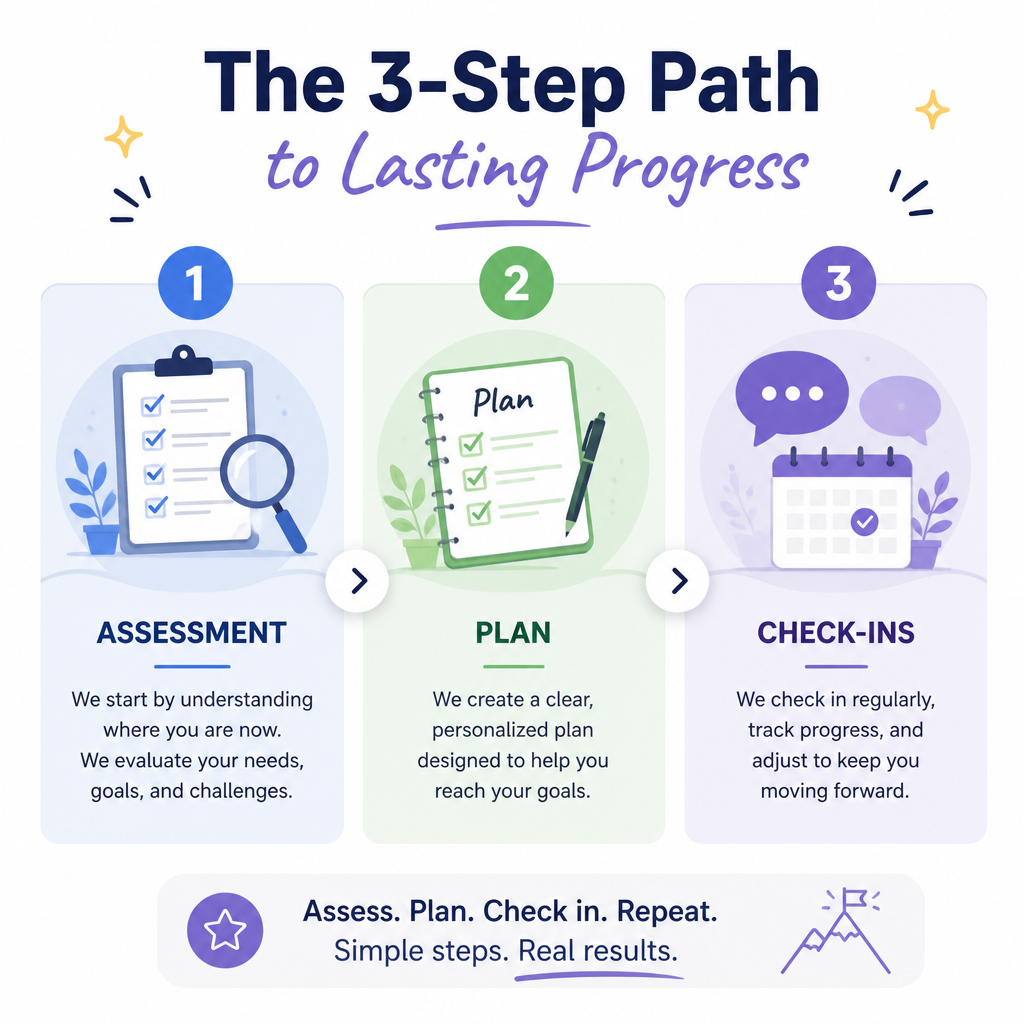
11.2 Map your first coaching package (assessment → plan → check-ins)
Create an offer with a clear structure:
- Assessment: baseline habits + constraints + readiness
- Plan: personalized habit roadmap (movement, lifestyle, recovery)
- Check-ins: cadence for progress review and troubleshooting
11.3 Build a simple 90-day validation plan (offer + outcomes + iteration)
Your first “test engagement” should clarify what works. Use a 90-day validation plan:
- Offer: your coaching package + expected cadence
- Outcomes: leading indicators (habit adherence, consistency, sleep routine stability)
- Iteration: weekly reflection and improvements to your coaching materials
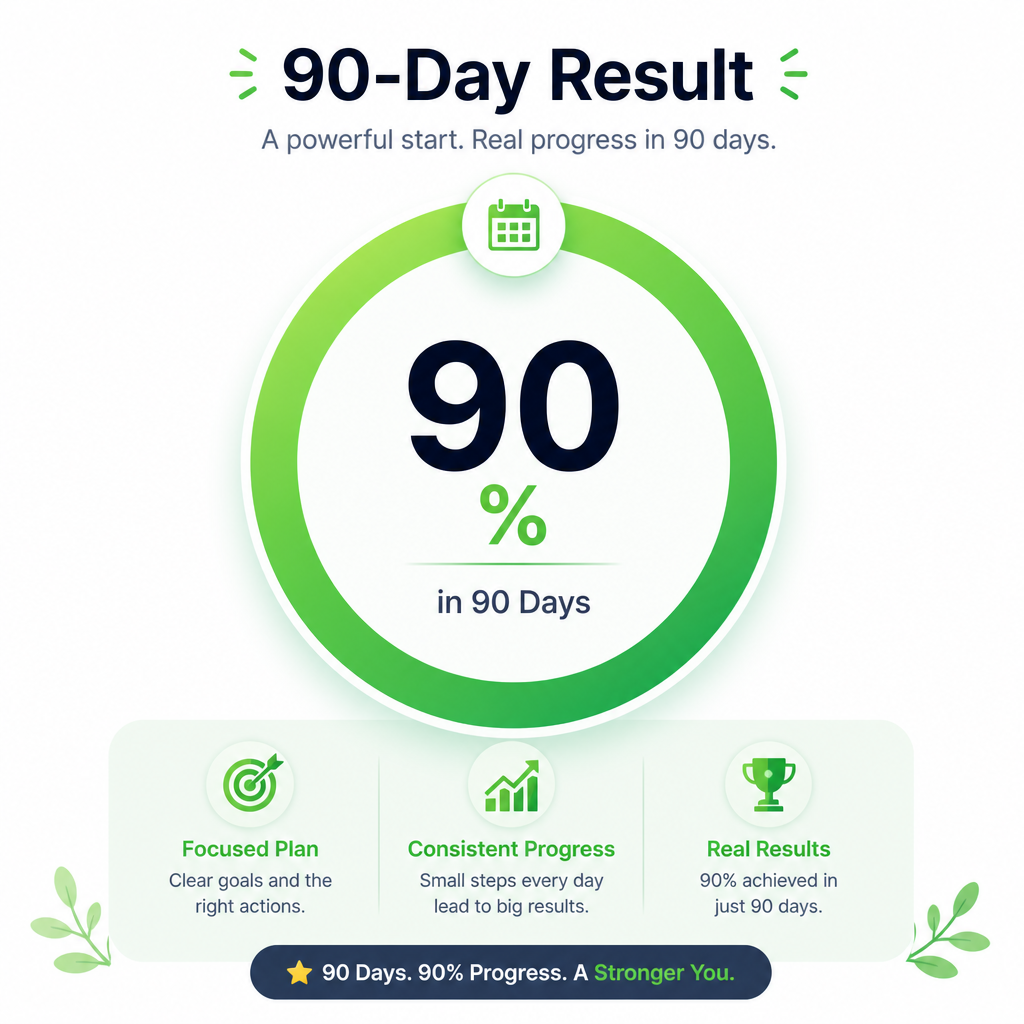
This approach helps you fine-tune your process and build proof of effectiveness without relying on marketing hype.
11.4 Prepare onboarding materials and coaching cadence
Before you launch, prepare:
- Client onboarding checklist
- Intake/assessment questionnaire
- First-week goals and “start here” instructions
- Templates for weekly or biweekly check-ins
When you’re organized, coaching becomes easier—and clients feel more supported.
12. Conclusion: Next Steps to Start Your Longevity Coaching Journey
Longevity coach certification is about becoming the kind of coach clients can trust: someone trained to coach behavior change, grounded in longevity principles, and clear about ethics and safety.
Your next steps:
- Choose a certification program that blends aging science with coaching frameworks
- Look for mentorship, templates, and business readiness—not only lectures
- Prepare a simple assessment → plan → check-in coaching structure
- Validate your offer with a focused 90-day plan
If you do, you’ll be well-positioned to build a credible longevity coaching practice that supports long-term, sustainable results.
References
- Weljii — Become a Longevity Coach: Certification & Training Guide (https://www.weljii.com/blog/longevity-coach-career-guide/)
- Spencer Institute — Embarking on a Journey of Longevity Coaching (https://spencerinstitute.com/embarking-journey-longevity-coaching/)
- Longevity Coach Institute — Longevity Coach Institute (https://longevitycoach.mykajabi.com/)